15 septembre 2026: la Première de “Les noces de Figaro” à l’Opéra de Rome: Un enchantement musical.

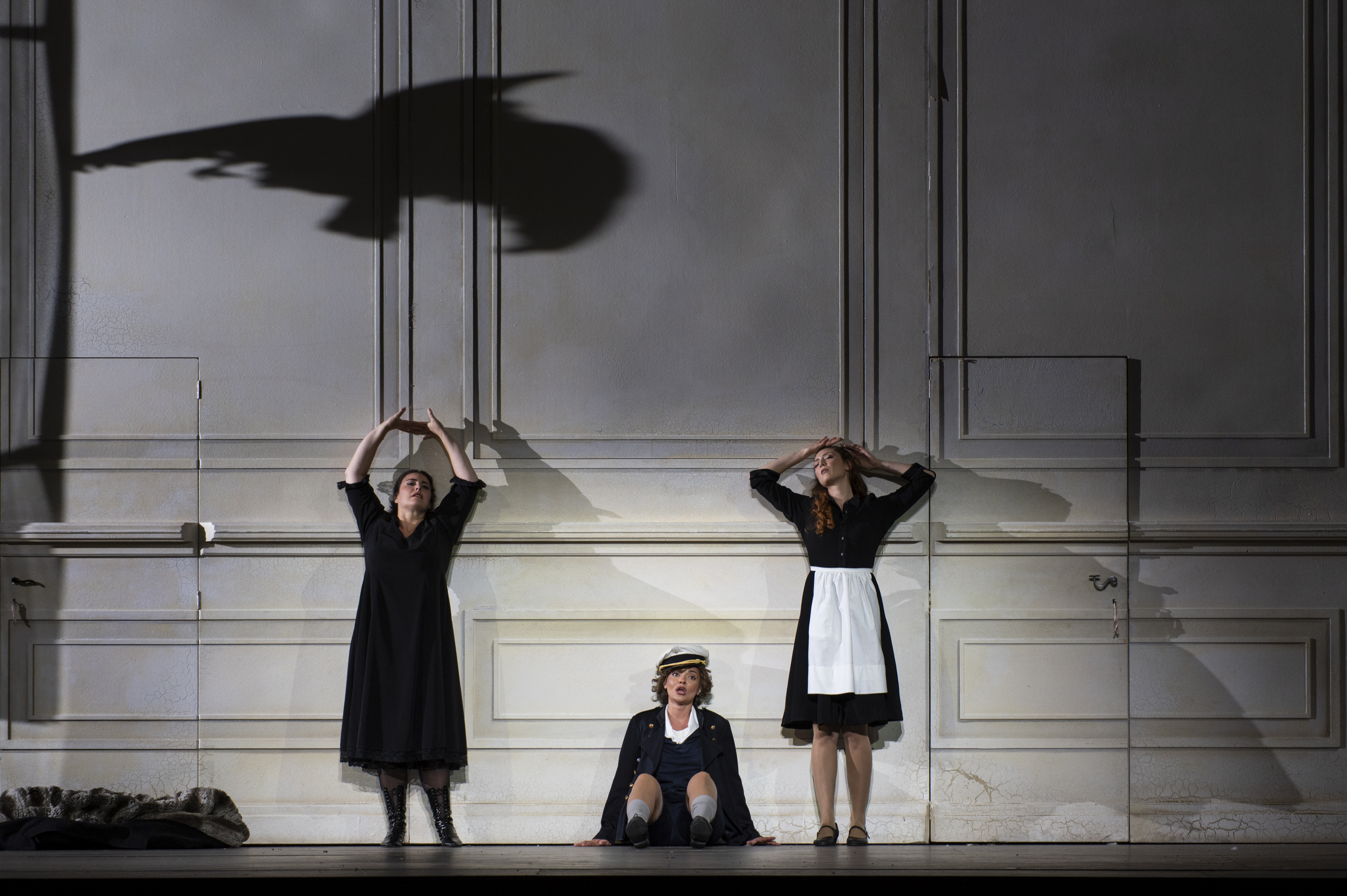
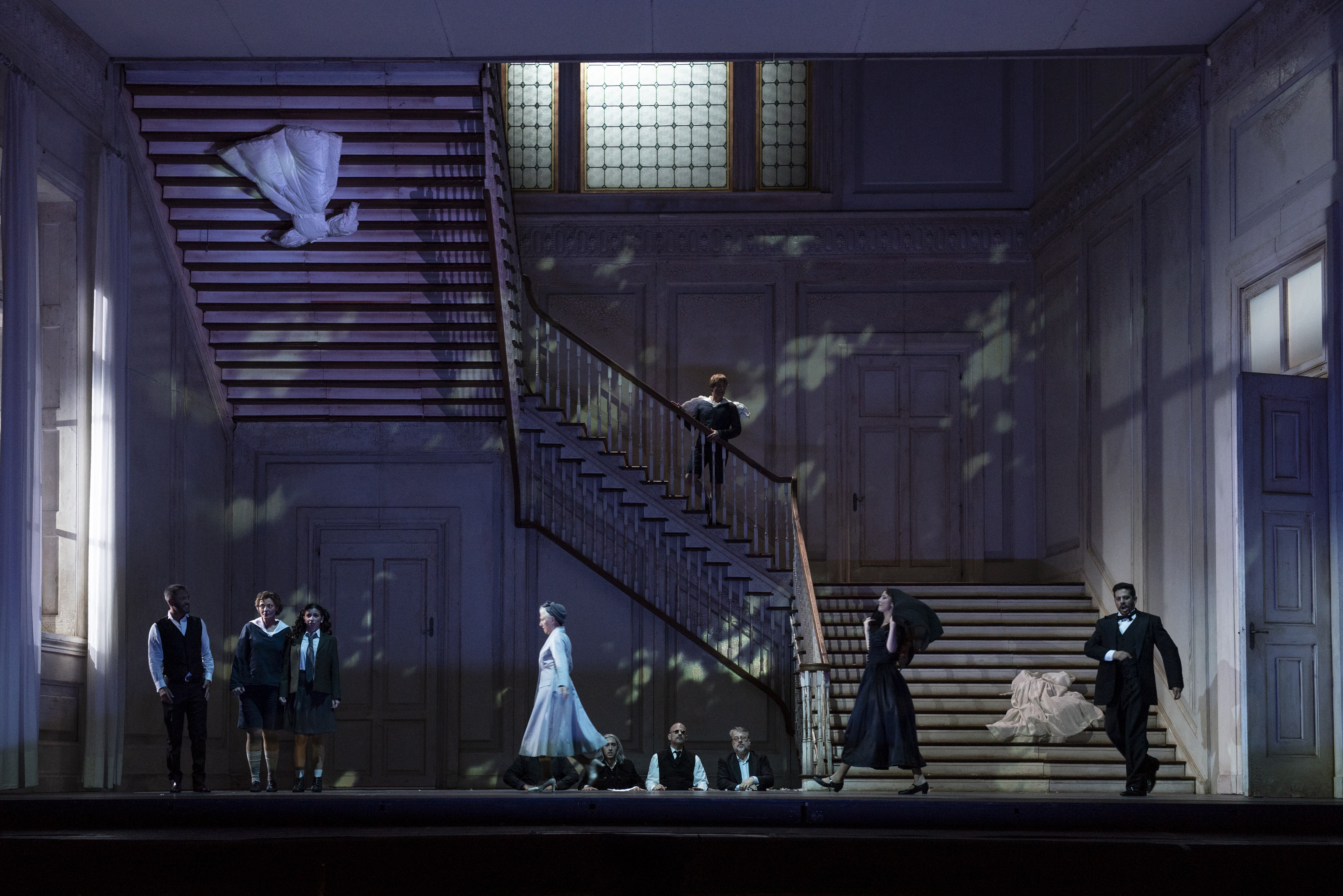
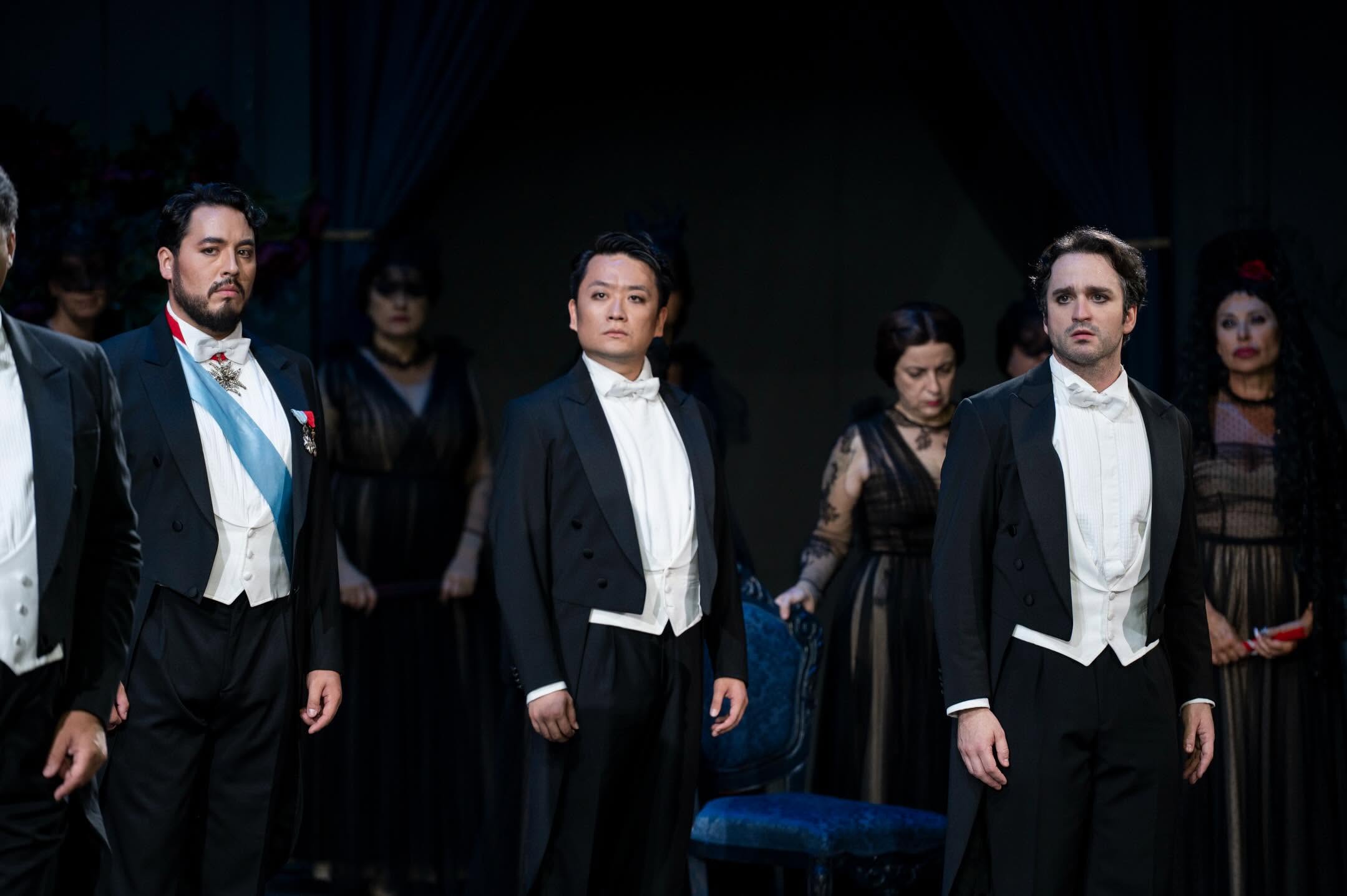
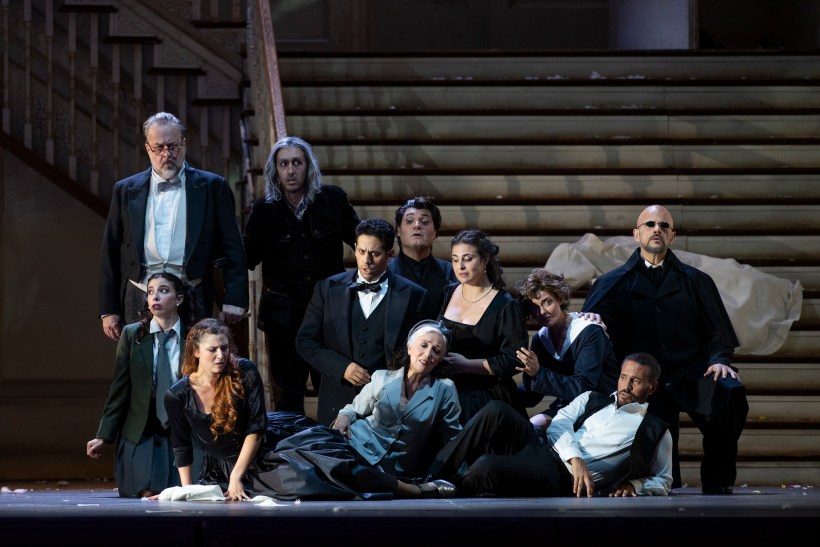
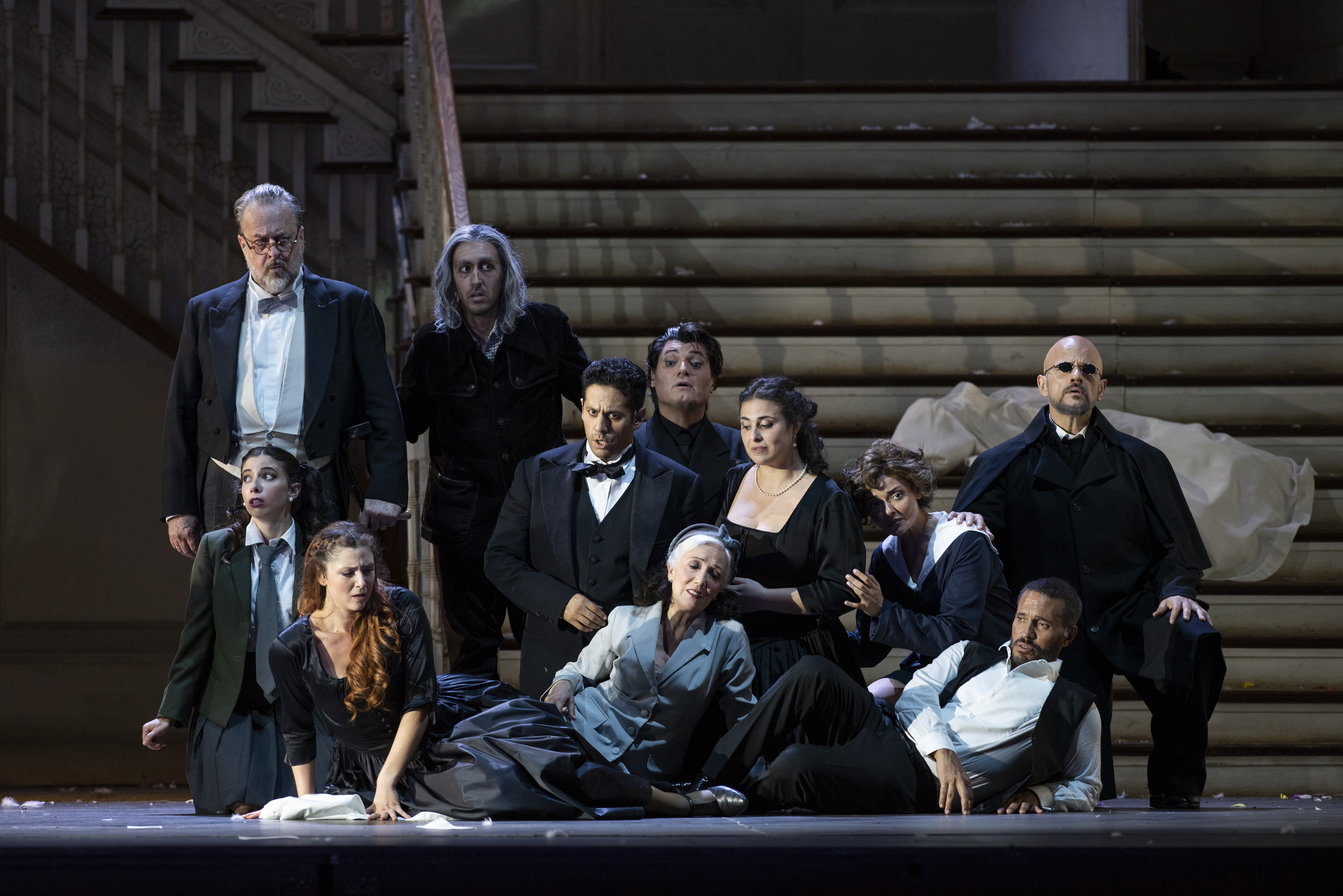
Pour cette rentrée de Septembre 2026, l’Opéra de Rome et son brillant Surintendant Francesco Giambrone nous offre une nouvelle fois une première absolue en Italie: “Les noces de Figaro” de Wolfgang Amadeus Mozart dans une mise en scène conçue par Claus Guth pour le Festival de Salzbourg en 2006 avec sur le podium le jeune chef d’orchestre d’origine arménienne Emmanuel Tjeknavorian. Après cet été torride, le public romain a retrouvé avec grand plaisir la fraîcheur du Théâtre Costanzi et la salle était comble pour cette Première fort attendue. L’orchestration a restitué le chef-d’oeuvre de Mozart avec grande justesse, délicatesse et cadences parfaitement comprises et partagées avec émotion par la jeunesse fougueuse de Tjeknavorian qui nous transmet également avec brio son respect absolu de la partition. La mise en scène dans un décor statique d’une cage d’escalier de ce qui serait un palais comtale autrichien, conçue par Christian Schmidt est l’écho parfait de la sobriété des costumes voulues par le même artiste: noir et blanc avec quelques nuances de gris, d’une austérité en vogue il y a vingt ans, mais un peu passé de mode aujourd’hui! Les lumières succintes de Olaf Winter et les mouvements chorégraphiques de Ramses Sigl appartiennent à la même école de simplicité sophistiquée, peut-être excessive, avec le dessein implicite de donner la priorité à l’expression musicale , car pour le plus grand bonheur des spectateurs et des auditeurs de Radio Rai3, la compagnie des chanteurs et cantatrices était de très grande qualité. Honneur aux dames et comment ne pas tomber sous le charme incandescent de la belle Susanna (Martina Russomanno) dont la présence scénique et la voix cristalline nous ont ravis du début à la fin, entre mille espiègleries, pleines de cette ironie irrévérencieuse qui caractérise son personnage.
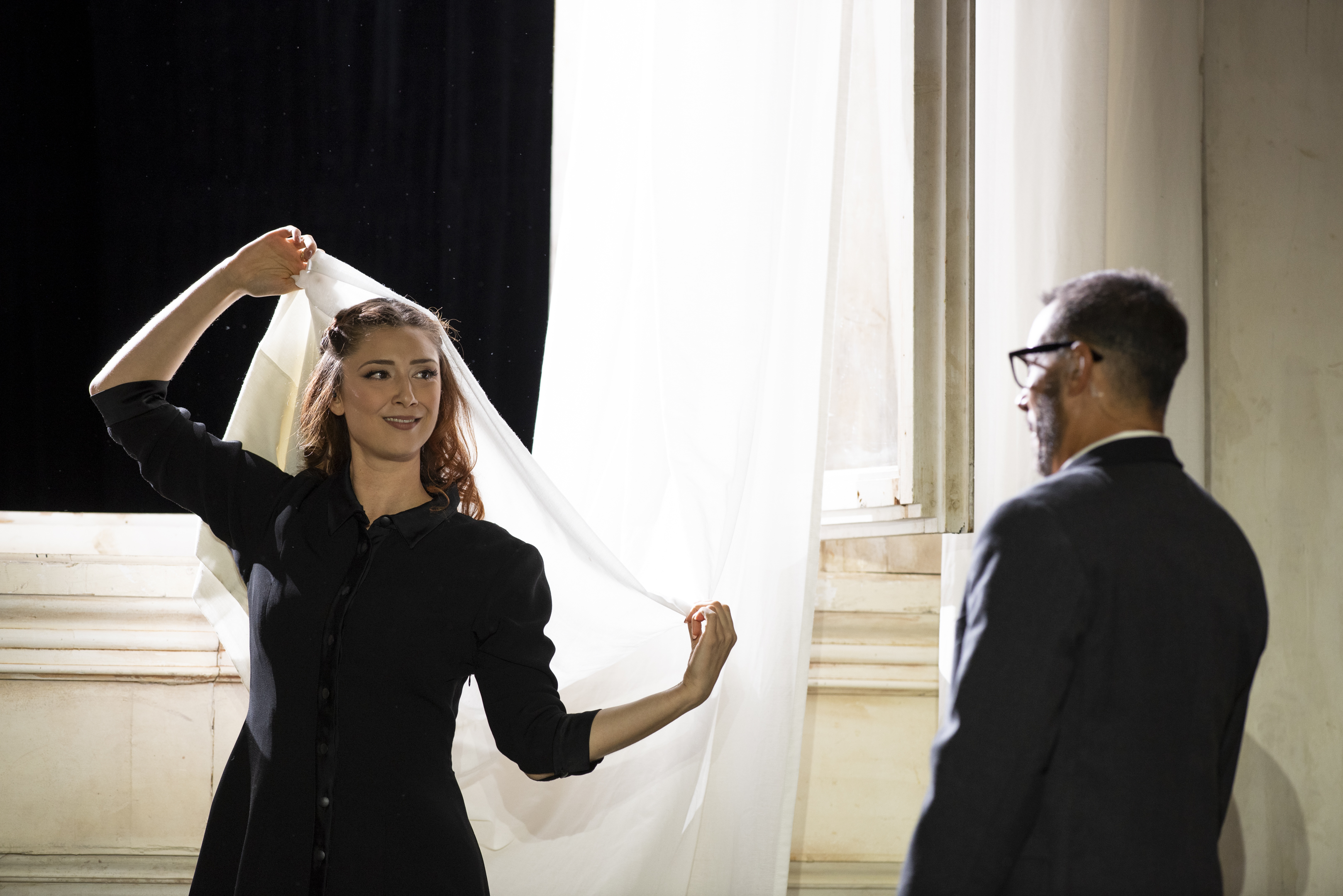
Martina Russomanno (Susanna)_Erwin Schrott (Figaro)

La Comtesse incarnée avec grâce et sensibilité par Roberta Mantegna nous a émus par sa douloureuse langueur et son désir de regagner les faveurs de son frivole époux. Marcellina (une solide et professionnelle Monica Bacelli) donne la réplique à Don Bartolo (un vénérable Roberto Scandiuzzi) en fauteuil roulant désormais au crépuscule de son existence. Chérubino qui prend ici les traits de la jeune Elmina Hasan est l’objet du désir de toutes ces dames et l’expression explicite d’une sensualité fougueuse et insatiable, très à l’aise dans les airs que le public attend de lui. Figaro, le sémillant et séduisant Erwin Schrott, ravit le public à chacune de ses apparitions et brille de tous ses feux dans ses interventions pleines de verve et d’esprit. Almaviva interprété par German Olvéra est parfaitement à l’unisson de la mise en scène sobre et peu encline au développement des intrigues à la Beaumarchais alors que le jeune Alejo Alvarez Castillo (du projet Fabbrica) nous offre un dynamique Antonio avec une voix puissante, très prometteuse dans un futur proche. Une mention spéciale enfin pour Don Basilio (un Marcello Nardis très en forme vocalement) et pour Don Curzio qui est ici aveugle, affublé de lunettes en verres foncés, interprété avec humour et élégance par le jeune et beau Blagoj Nacoski. “Last but not least”, la remarquable performance de la délicieuse Jessica Ricci (du projet Fabbrica) qui nous offre une Barbarina coquine et quasi ingénue…jusqu’au moment où elle perd…une épingle à cheveux au début du quatrième acte! Le choeur de l’Opéra de Rome toujours excellent sous la direction du maestro Ciro Visco.
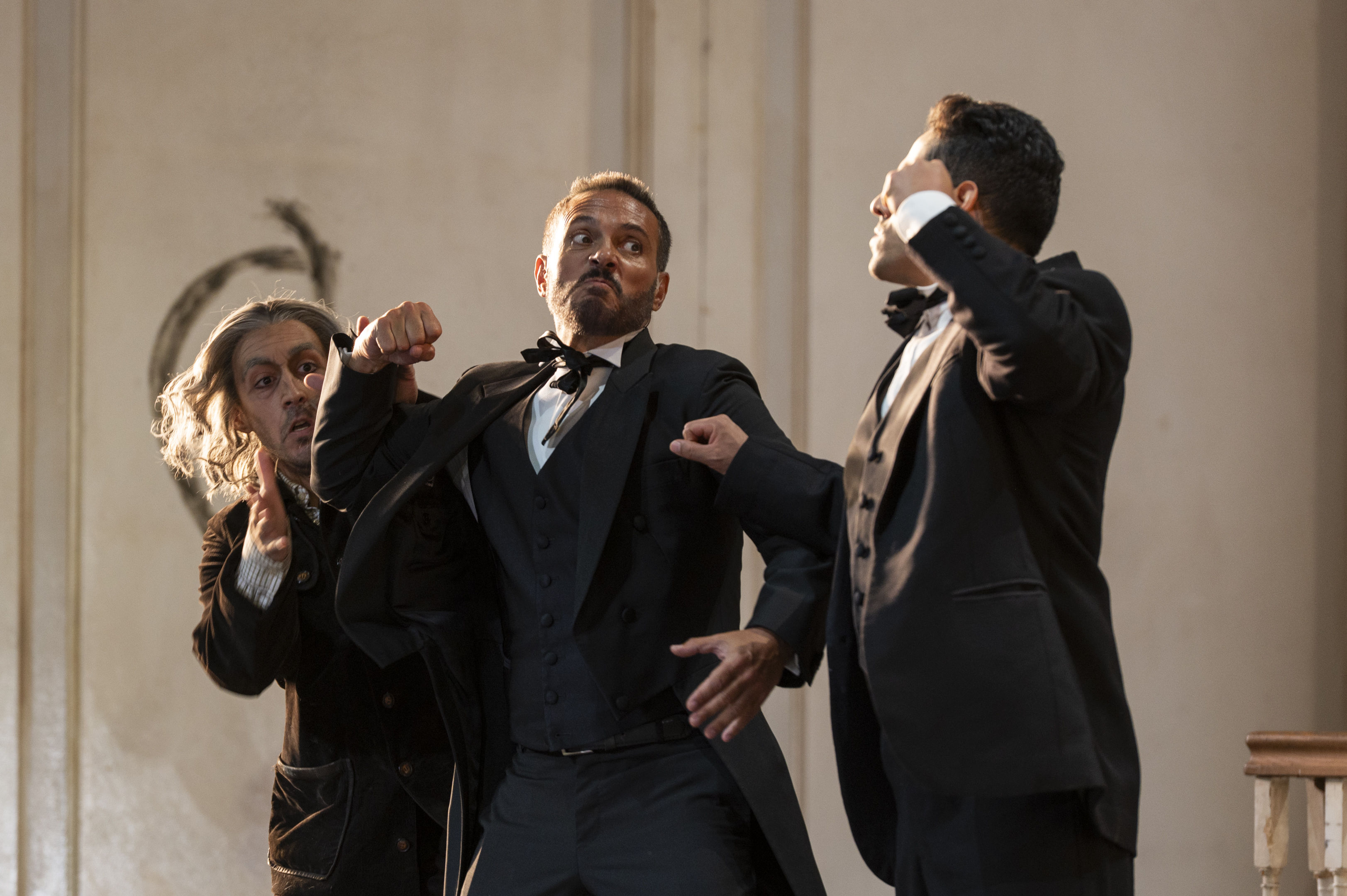
Alejo Alvarez Castillo (Antonio) Erwin Schrott (Figaro) Germán Olvera (Conte di Almaviva)

L’introduction du personnage de Cherubim, une sorte de double de Cherubino qui tirerait les ficelles des intrigues amoureuses en distribuant les pommes de la discorde et les plumes de l’érotisme est une invention drammaturgique intéressante mais c’est un rôle qui aurait pu être revisité par un danseur plus en ligne avec l’âge de son personnage au lieu de rappeler le créateur du personnage, Uli Kirsch qui avait vingt-huit ans en 2006. La volonté de mettre au premier plan la musique de Mozart et ses virtuoses palinodies est pleinement assouvie avec quelques regrets pour une monotonie chromatique qui tourbillonne mélancoliquement devant nos yeux de mélomanes…mais n’est-ce pas là où voulait nous emmener cette “Folle journée” pour nous rappeler que le mariage de Figaro, personnage haut en couleurs, le portera à cacher ses fantaisies derrière une façade en noir et blanc?

Rome, 15 septembre 2026

Photo credits: Fabrizio Sansoni pour l’Opéra de Rome
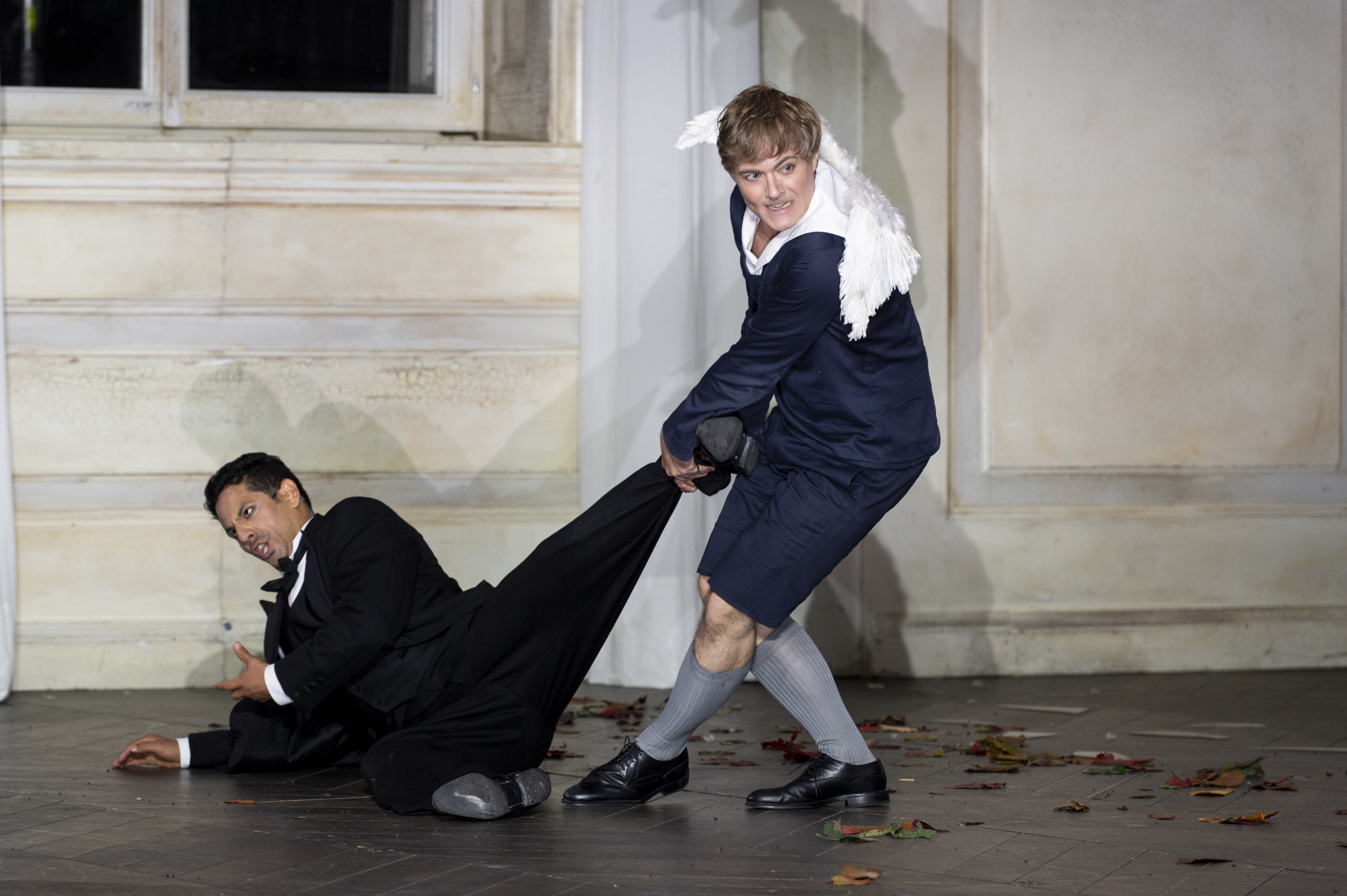
Germán Olvera (Conte di Almaviva) Uli Kirsch (Mimo attore)
Roberta Mantegna (Contessa di Almaviva) Elmina Hasan (Cherubino) Martina Russomanno (Susanna)
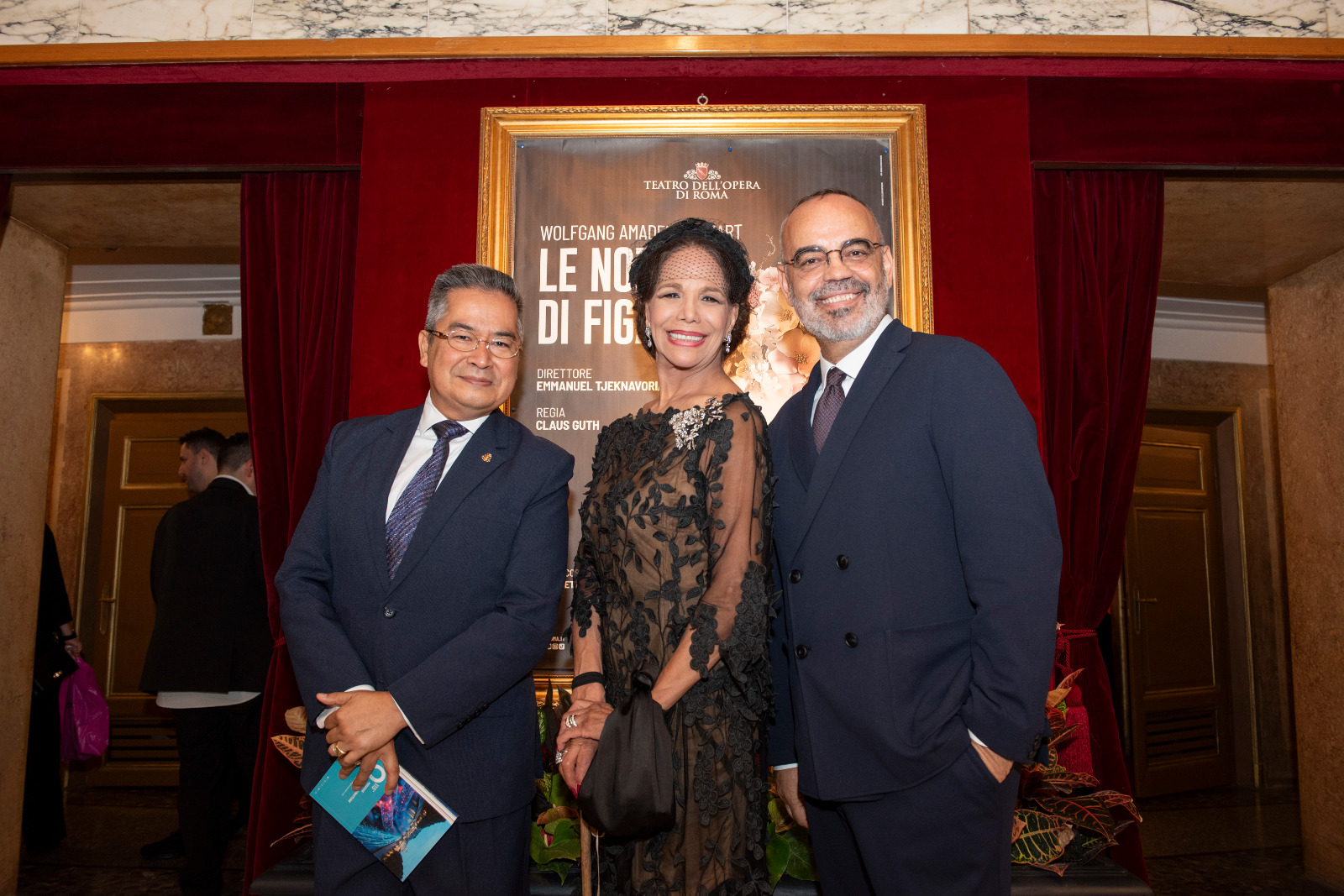
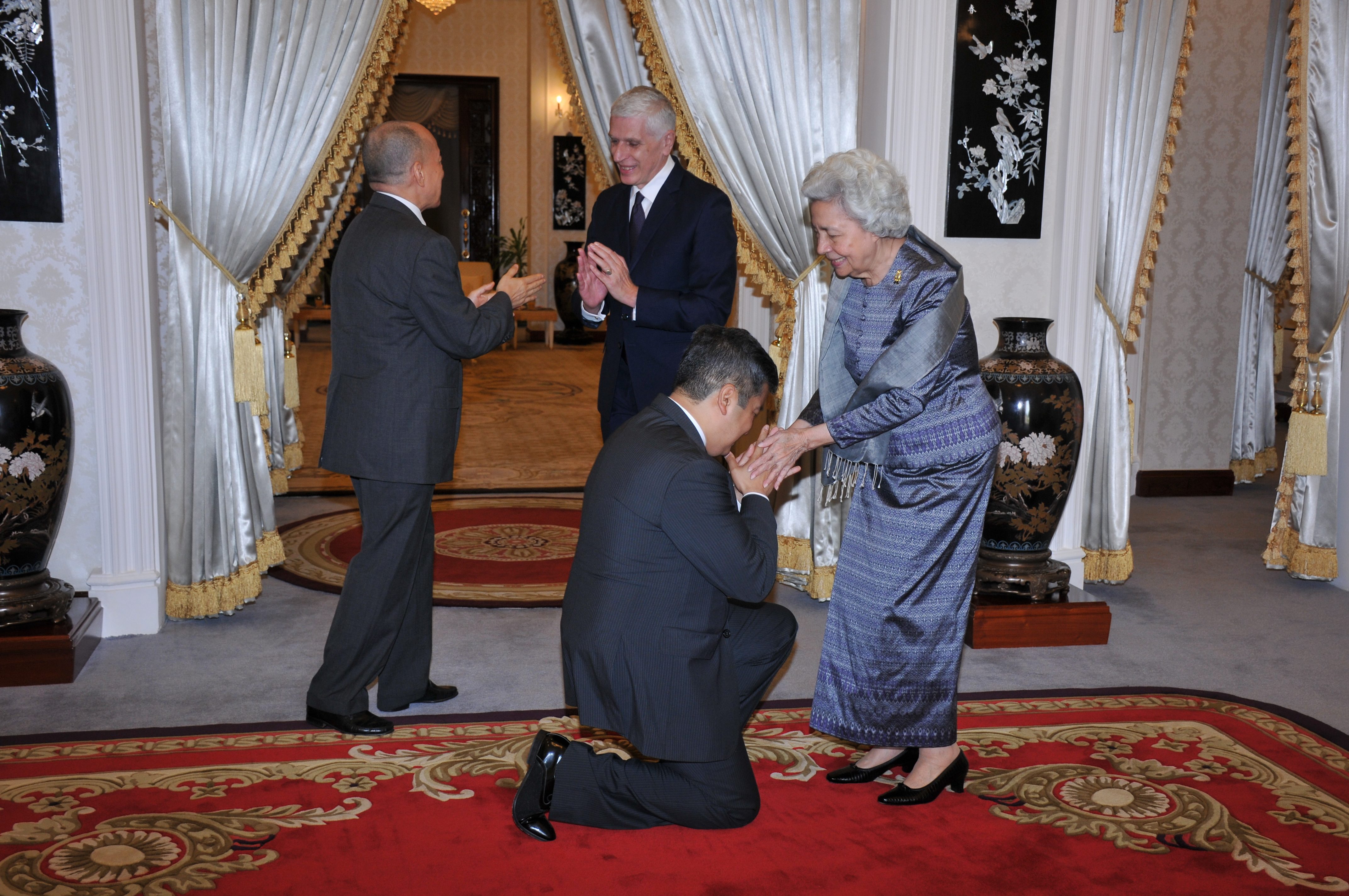
Le prince Sisowath Ravivaddhana Monipong avec Madame Marisela Federici et Monsieur Cosimo Manicone, directeur de la communication de l’Opéra de Rome
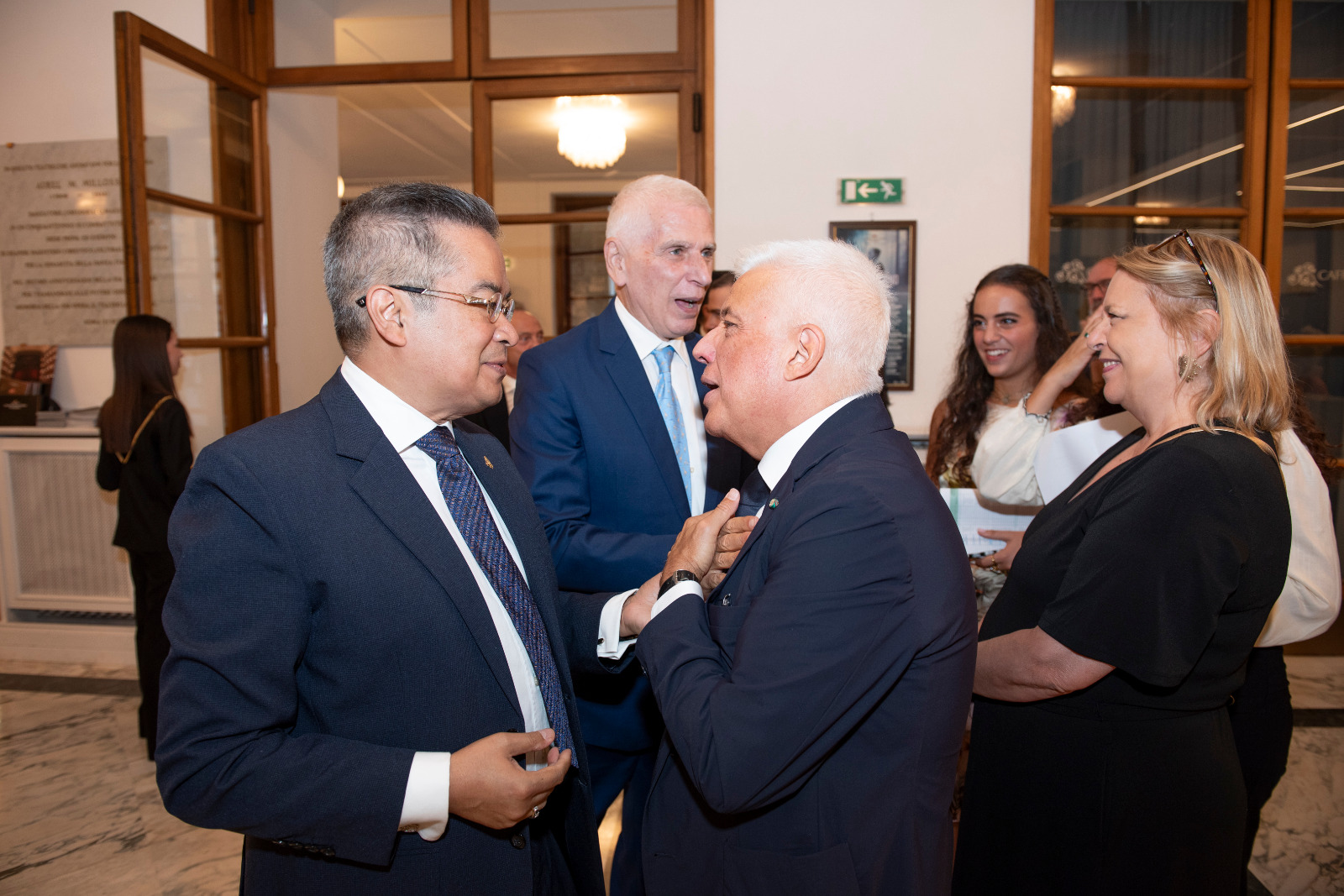
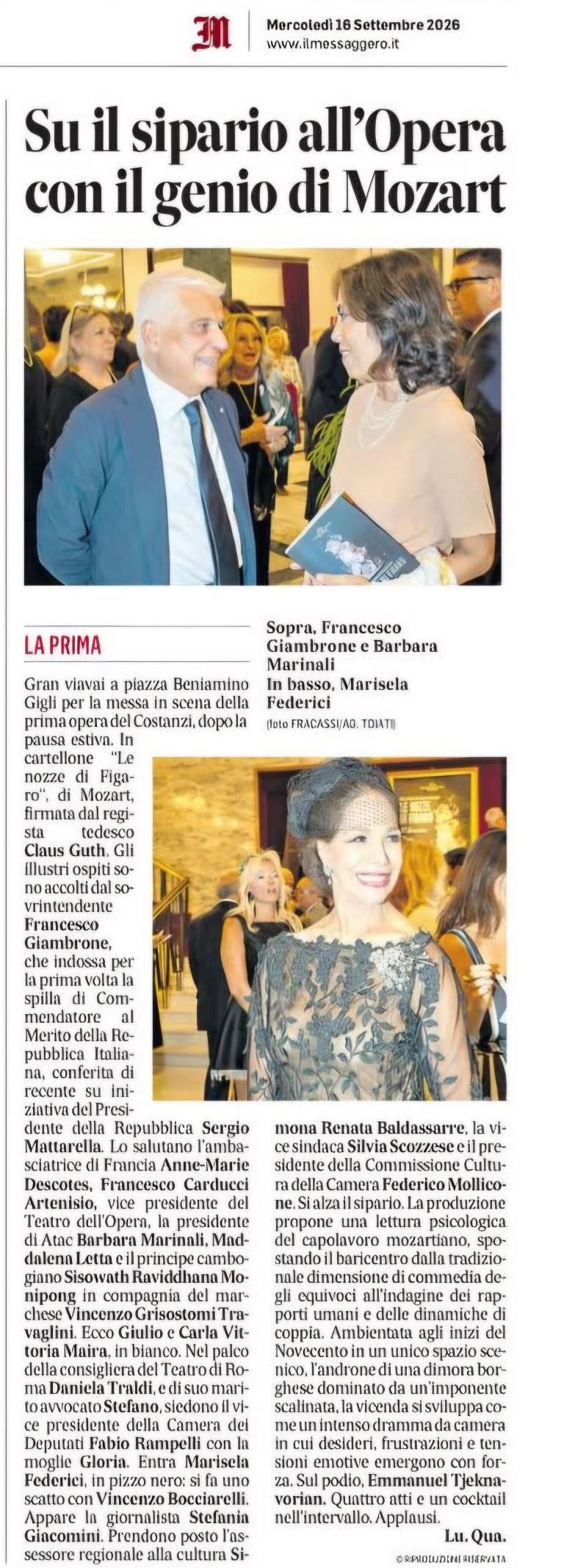
Accueillis avec chaleur par le Surintendant de l’Opéra de Rome, Francesco Giambrone en compagnie du marquis Vincenzo Grisostomi Travaglini
“Su il sipario all’Opera con il genio di Mozart” un articolo di Lucilla Quaglia ne “Il Messaggero” del 16 settembre 2026

Nadine Sierra and Xabier Anduaga Shine in Rome’s La Traviata

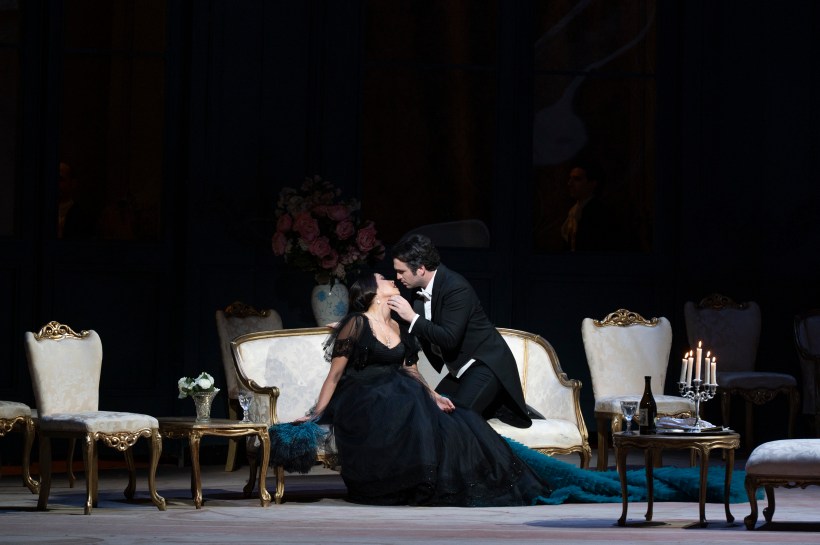
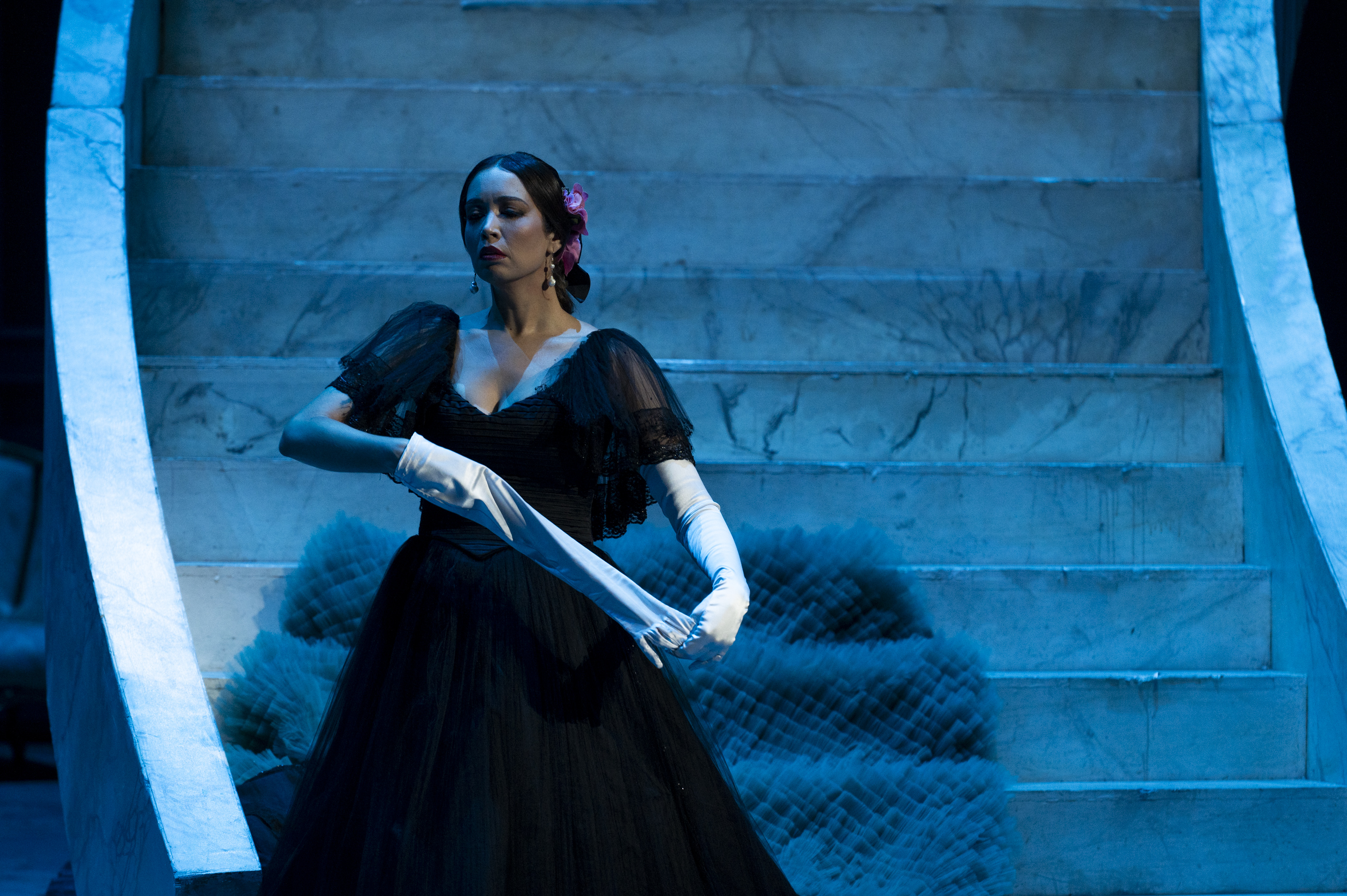
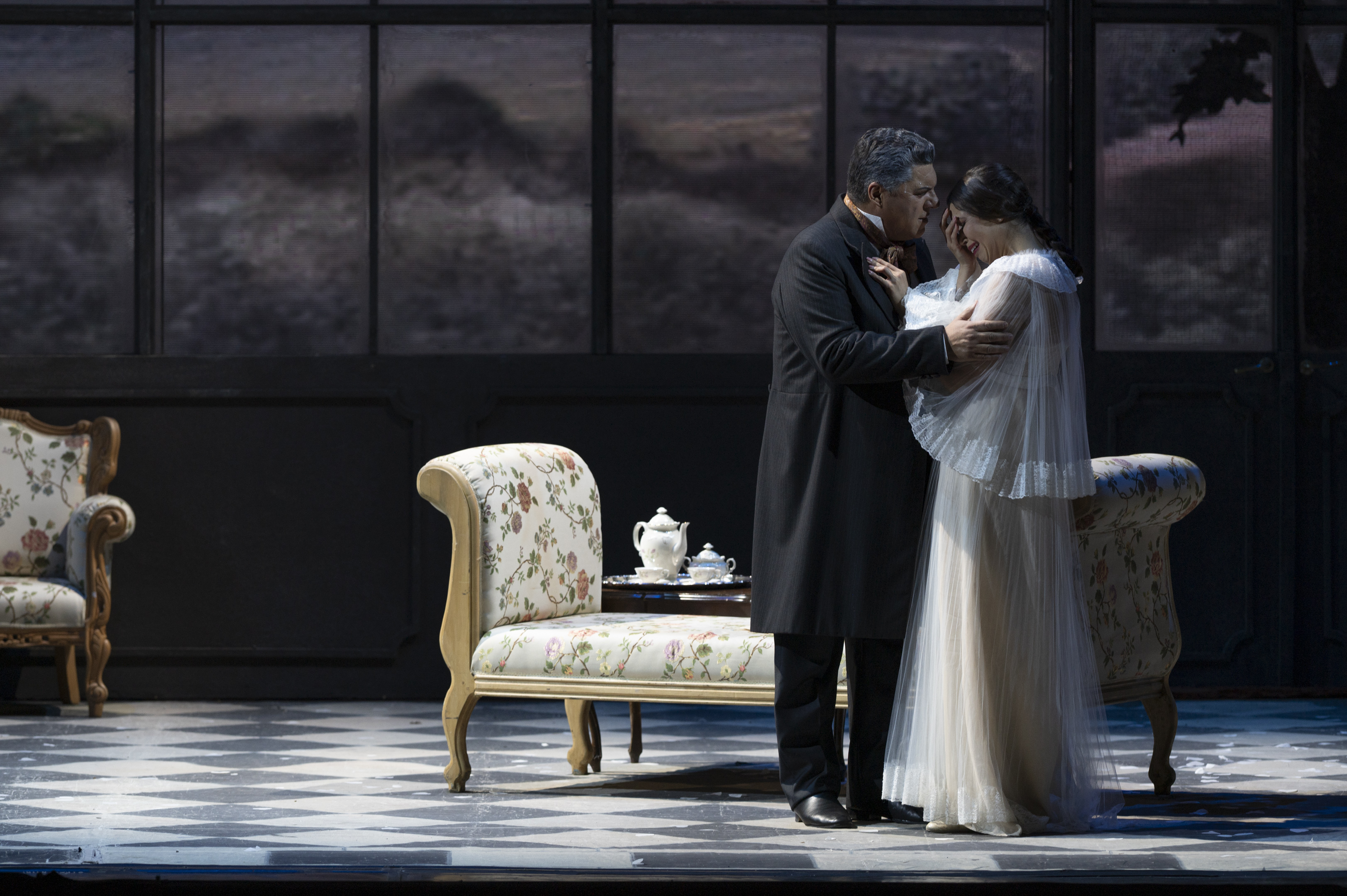
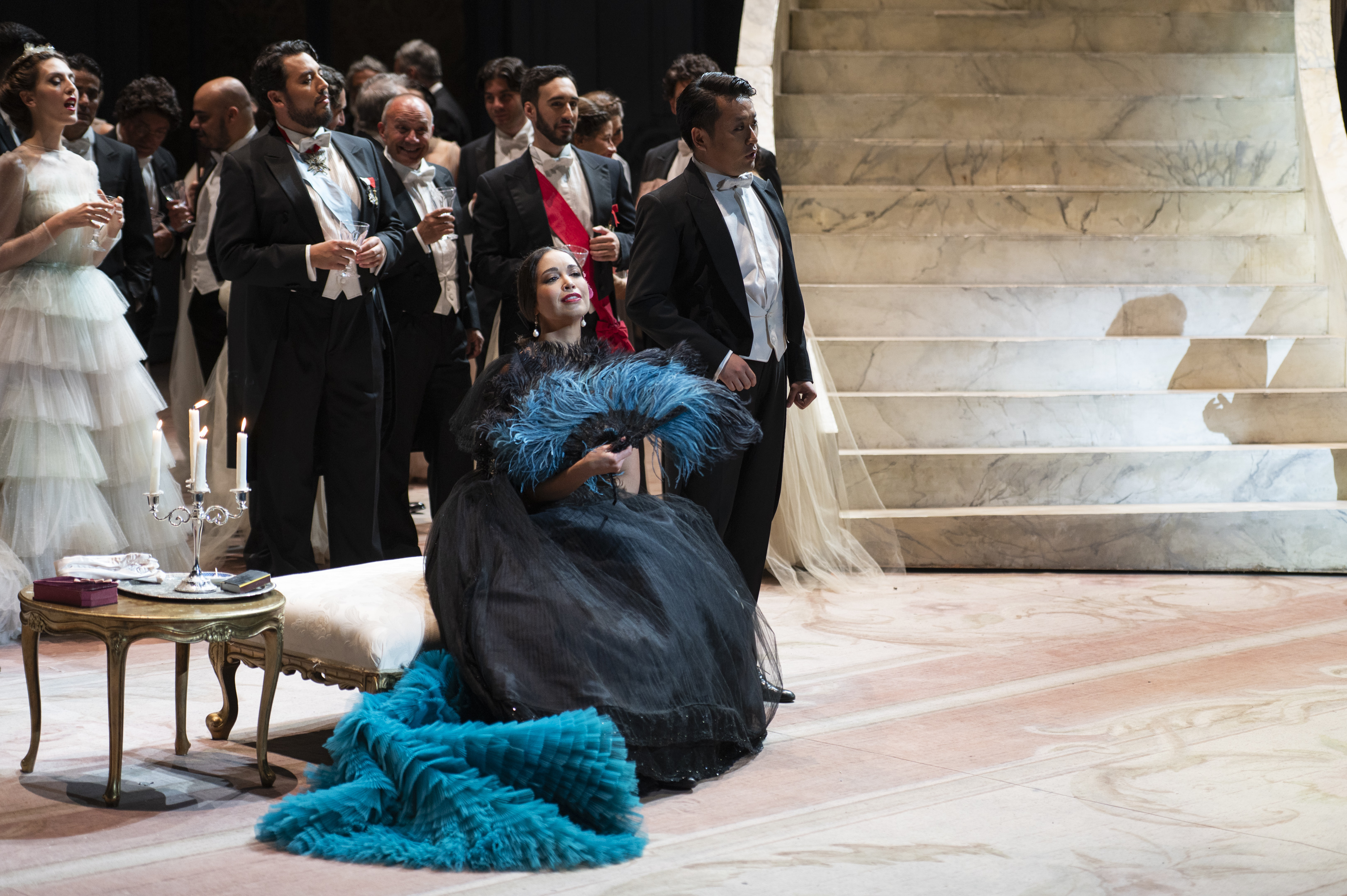
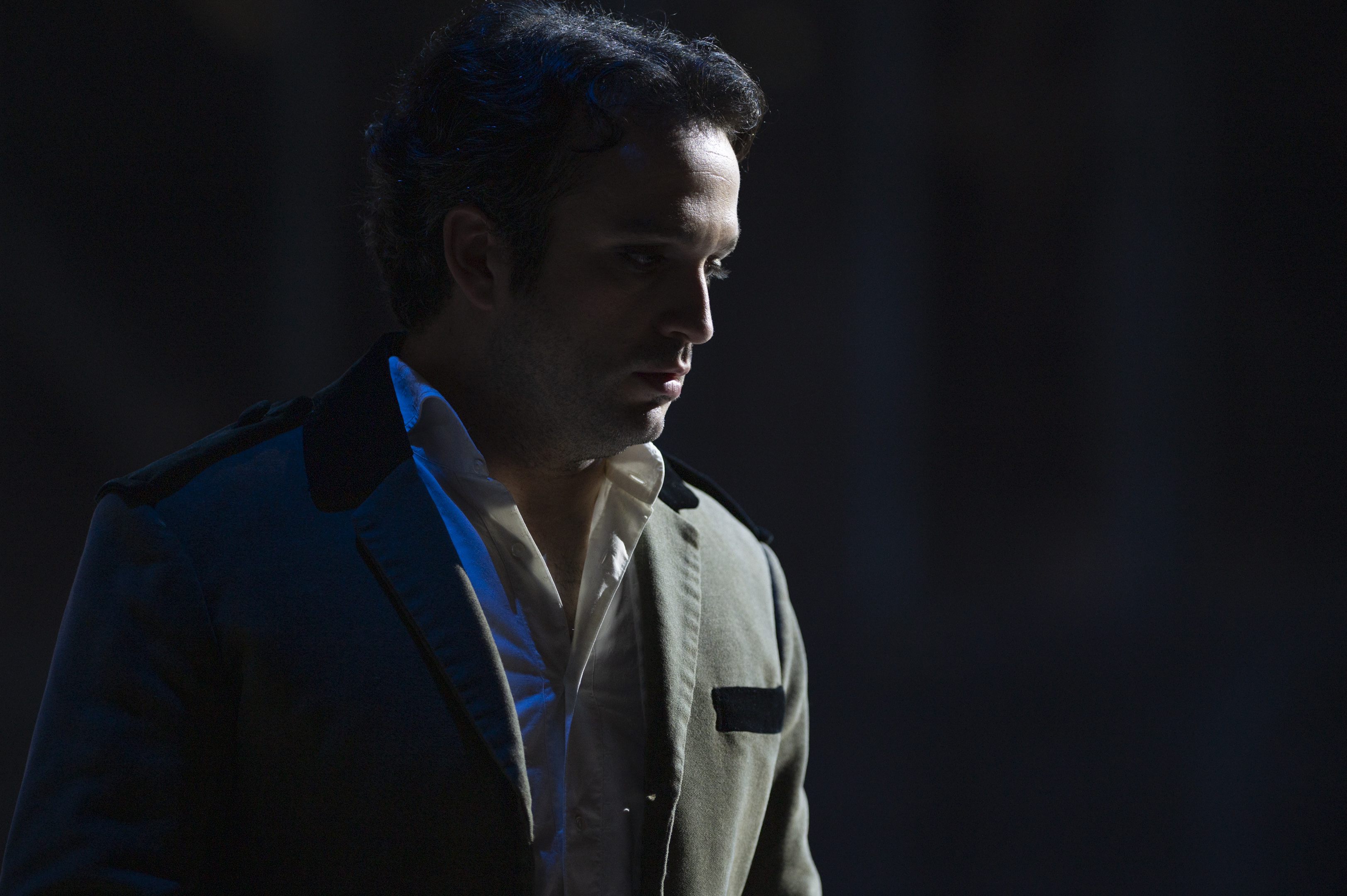
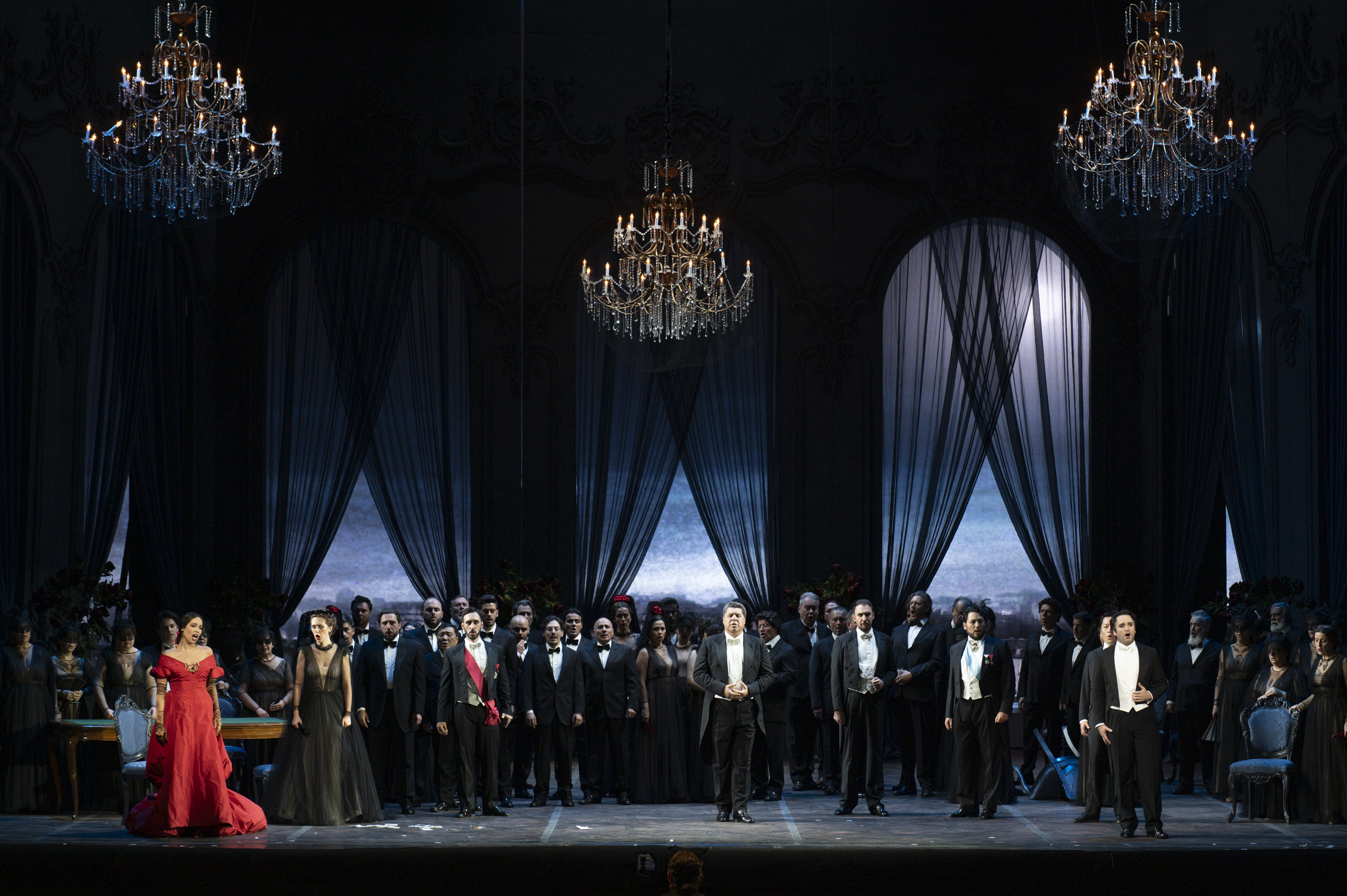
On Wednesday 24th June 2026, the Opera of Rome and his Sovrintendente Francesco Giambrone have gathered Nadine Sierra and Xabier Anduaga, two absolute stars of today’s international lyric panorama for a historic “La Traviata”, the absolute masterpiece of Giuseppe Verdi, director Francesco Ivan Ciampa, brilliant and attentive, in the scenic version directed by Sofia Coppola and the costumes of late Haute Couture God Valentino Garavani, assisted by Maria Grazia Chiuri e Pierpaolo Piccioli. The red velvet curtain of the opera opened on a wide ballroom with an imponent marble stairs on the right side on which Violetta Valery seemed to be sliding graciously in her somptuous dress of dark tulle crinoline until the middle of the stage during the Preludio (sets by Nathan Crowley, assisted by Leila Fteita). Light designer Vinicio Cheli.  

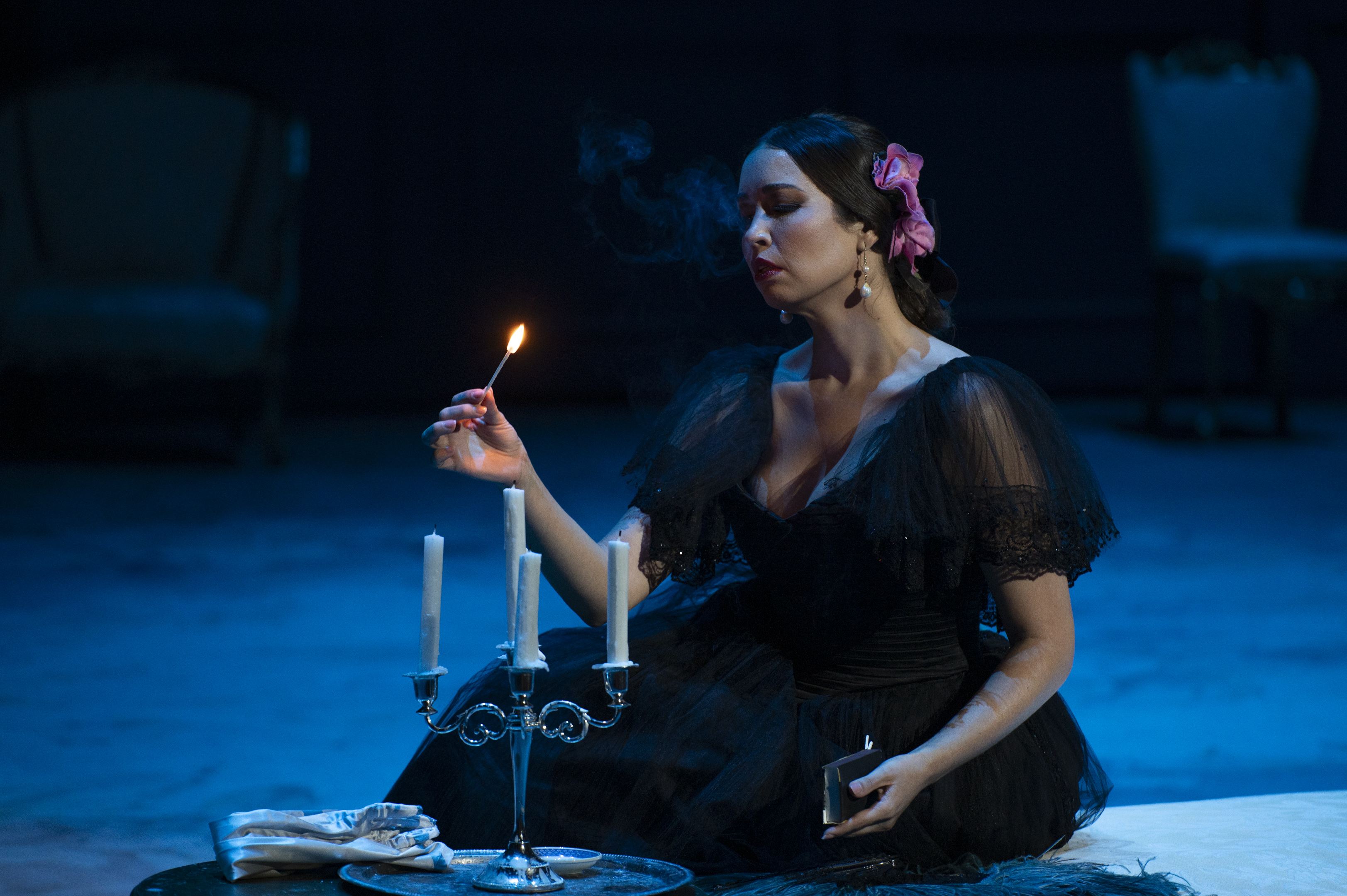
When she sat down to light up the candles on a small table, the festive reception in her place started. Inspired by the novel of Alexandre Dumas “La Dame aux camélias”, “La Traviata” tells the story of one celebrated “Demi-Mondaine” of Paris in the second half of the XIXth century who fell in love with a candid but handsome heir of Provence, Alfredo Germont; unfortunately that happened when her health declined quickly… She decided nevertheless to flee from Paris with her young lover to her countryside residence, in Bougival where she received the visit of Alfredo’s father, Giorgio Germont (Italian famous beloved baritone Luca Salsi) who explained to her the reasons why Alfredo needs to go back home, as his unique sister would soon get married and that his scandalous behaviour would have damaged their reputation to the point to prevent his brother-in-law to be to concretize his formal proposal.

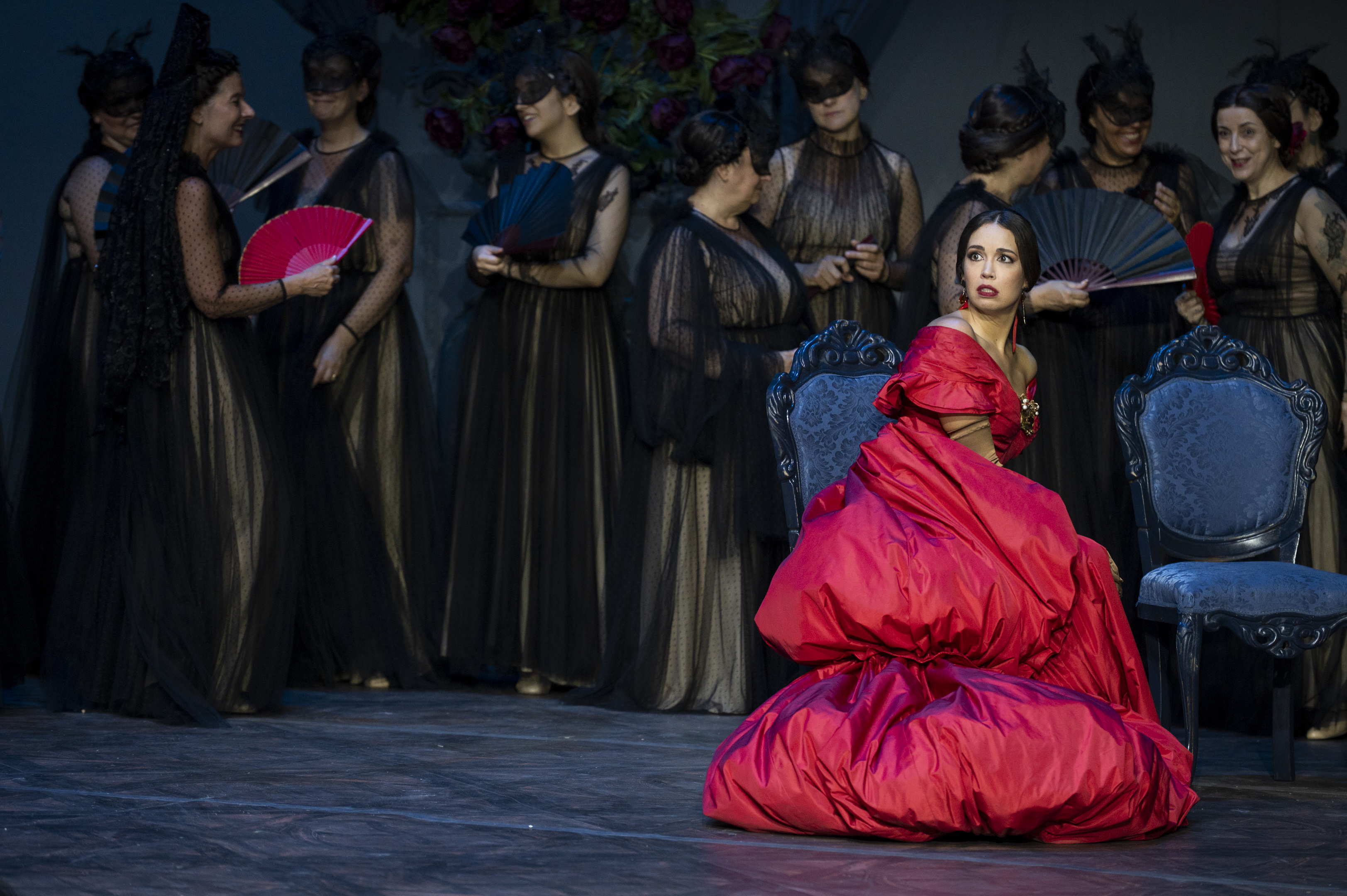
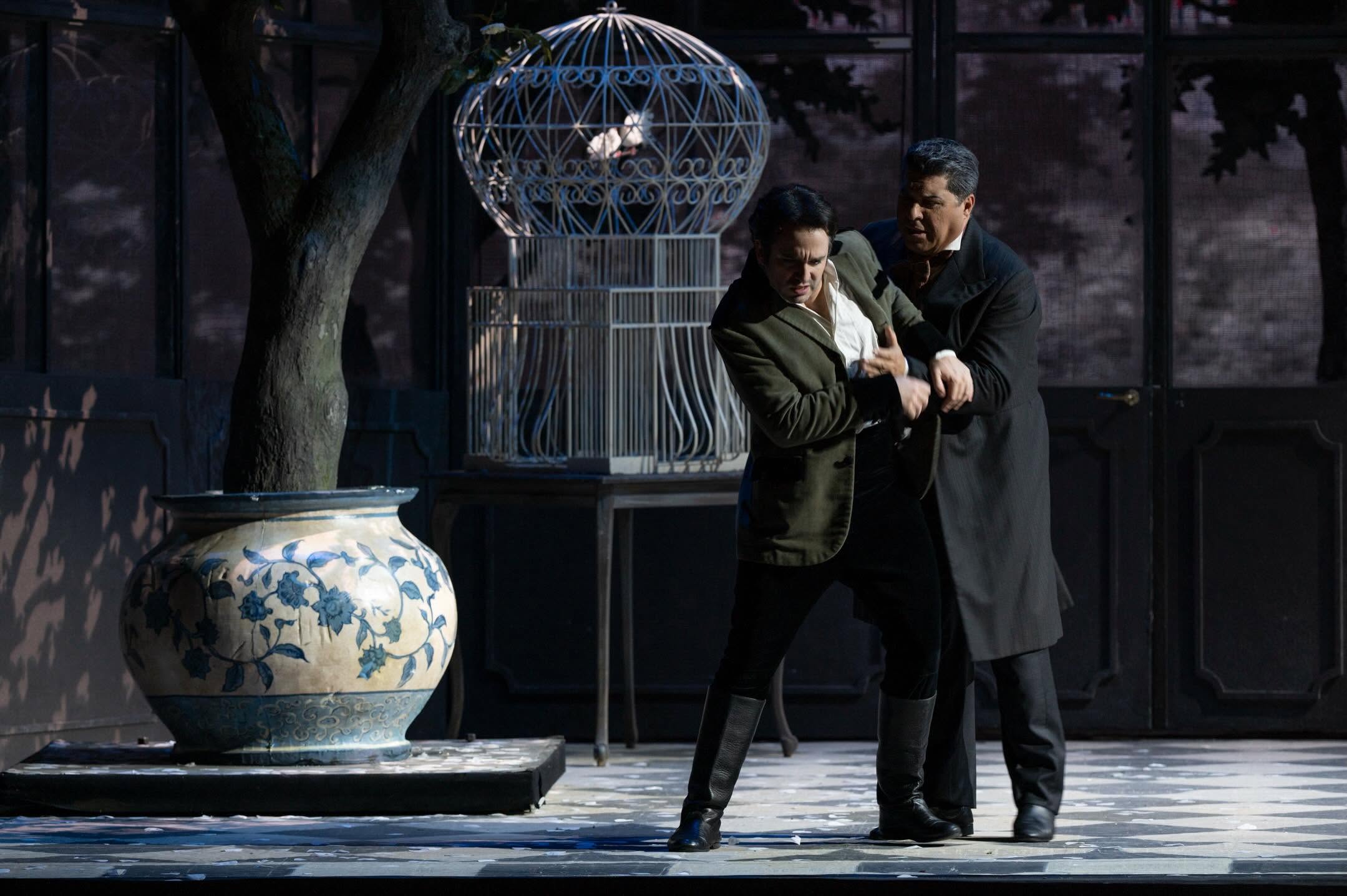
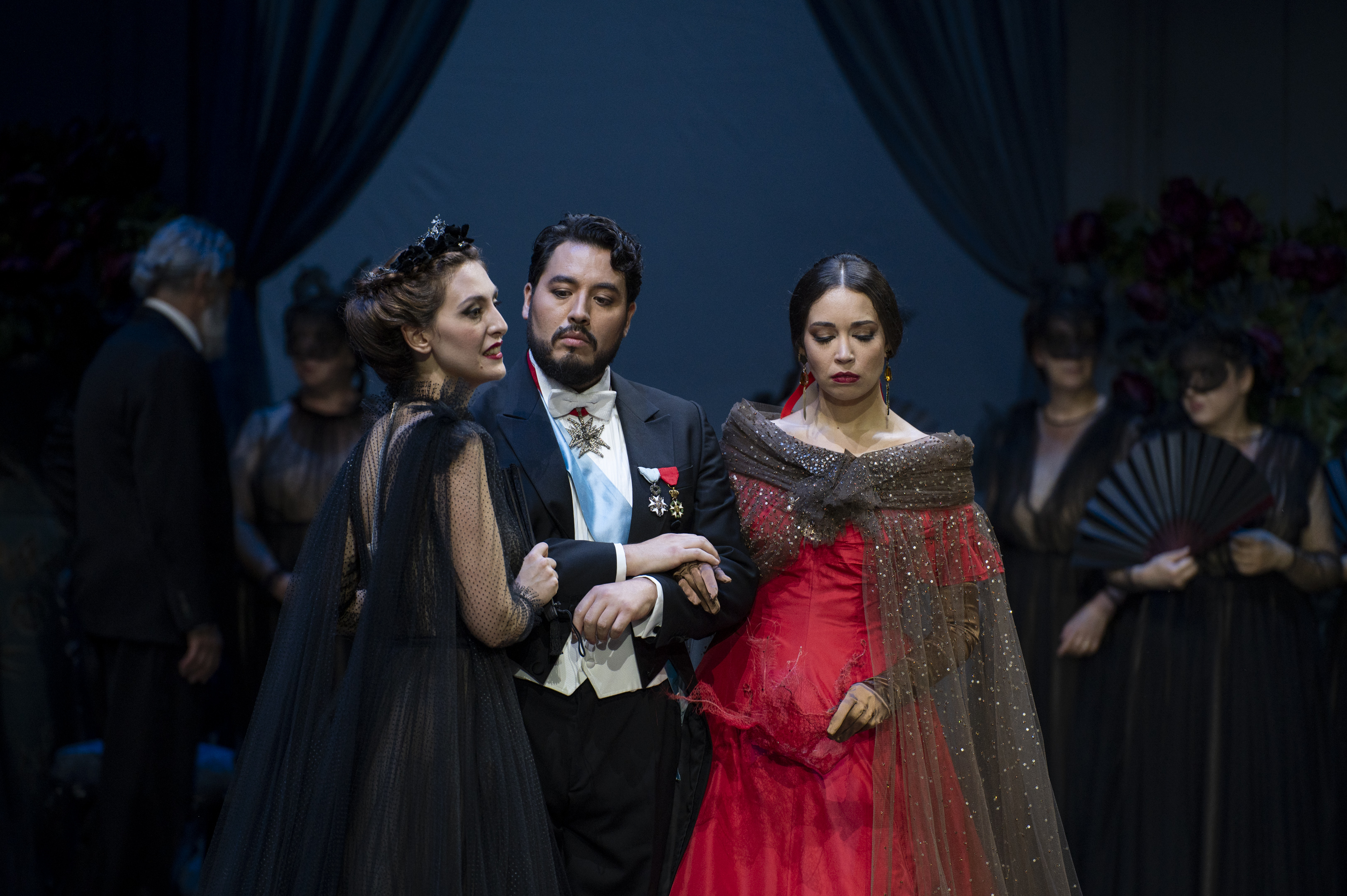
Violetta with elegance and nobility decided to obey and left Bougival to participate in her friend Flora’s party, dressed in a smashing Valentino-red evening dress and accompanied by her faithful “client” the Baron Douphol (a refined and well prepared Arturo Espinosa). After Violetta lied to him by saying she is in love with Douphol, asked him to Alfredo, very angry, humiliated her in front of all invitees, paying her for her “services” with the money he just won playing cards.

His father arrived and scolded him vehemently and Douphol challenged Alfredo to a duel. The last act let us entering the intimacy of Violetta’s bedroom. It is winter time. Paris is celebrating Carnival. Violetta’s decline is coming to an end. Only her friend, Doctor Grenvil (impeccable Adriano Gramigni) has remained with her, together with her faithful maid, Annina (gracious Sofia Barbashova). Violetta continued to read relentlessly the letter Giorgio Germont wrote her, announcing her the return of Alfredo… but it is too late. Soon after, Alfredo burst into the room, with enthusiasm, giving Violetta a last sip of happiness and hope «Parigi, O Cara» before dying in his arms.

Apart from the magnificent sets and costumes, I remained somewhat bewildered by the personalities of Nadine Sierra and Xabier Anduaga. First of all, Nadine: she was incredibly HERSELF in this production, especially at the end of the first act. After realising that some powerful feeling might occur between her and Alfred «Ah, fors’è lui», Sierra was absolutely fabulous in the famous cabaletta «Sempre libera» where her natural feminine emotivity reached a climax when she exclaimed herself in «Gioir, di voluttà ne’ vortici perir!», which literally means “to blissfully perish in the whirlwinds of pleasure!” The soprano transmitted the essence of music and words by her own personal interpretation which immediately made the audience shivering “à l’unisson” with the iconic character of Violetta. All along the opera, until the utmostly expected “Addio del passato”, she brought all spectators with her in her tragic journey towards death through genuine expressions of love.

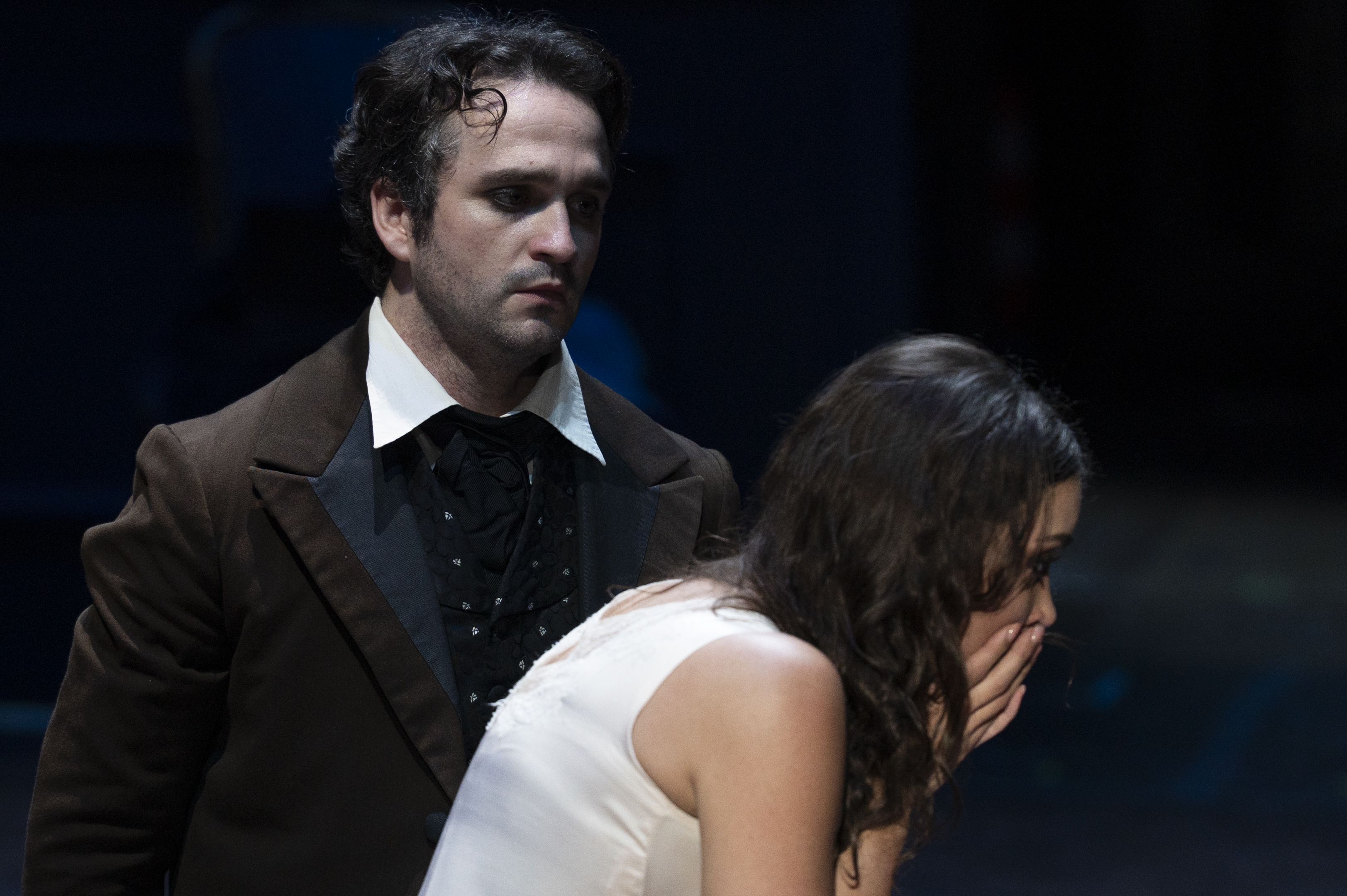
May I be allowed to enter into deeper considerations about young, handsome and gifted tenor Xabier Anduaga. In this particular version of “La Traviata”, he magnifies his role with dignity and romantic harshness with the utmost care. His voice timbre, technically perfect, crystal-clear and graceful, together with his physical presence and personal elegance, completed so well the image of Alfredo as this innocent lad of a good provincial family who discovered love for the first time. His interpretation of “lunge da lei…” was impeccable, with his touch of sincerity, sweet and irresistible sensitivity mixed with the turmoils of carnal passion and impulsive vividness transported the audience in the character’s “joie de vivre” which will not last;

his father arrived and Salsi gave us a noble and imponent “Di Provenza” interpretation which was much appreciated in a long applause by the Roman audience. His professionality and popularity are genuinely recognised and praised all over the world of opera.

The rest of the company was graced by the presence of young singers of the “Fabbrica project” of the Opera of Rome such as Flora (Maria Elena Pepi) and Annina (Sofia Barbashova) who succeeded in fulfilling their roles with refined and subtle professionality as well as Alejo Álvarez Castillo in the naughty role of the Marquis d’Aubigny.

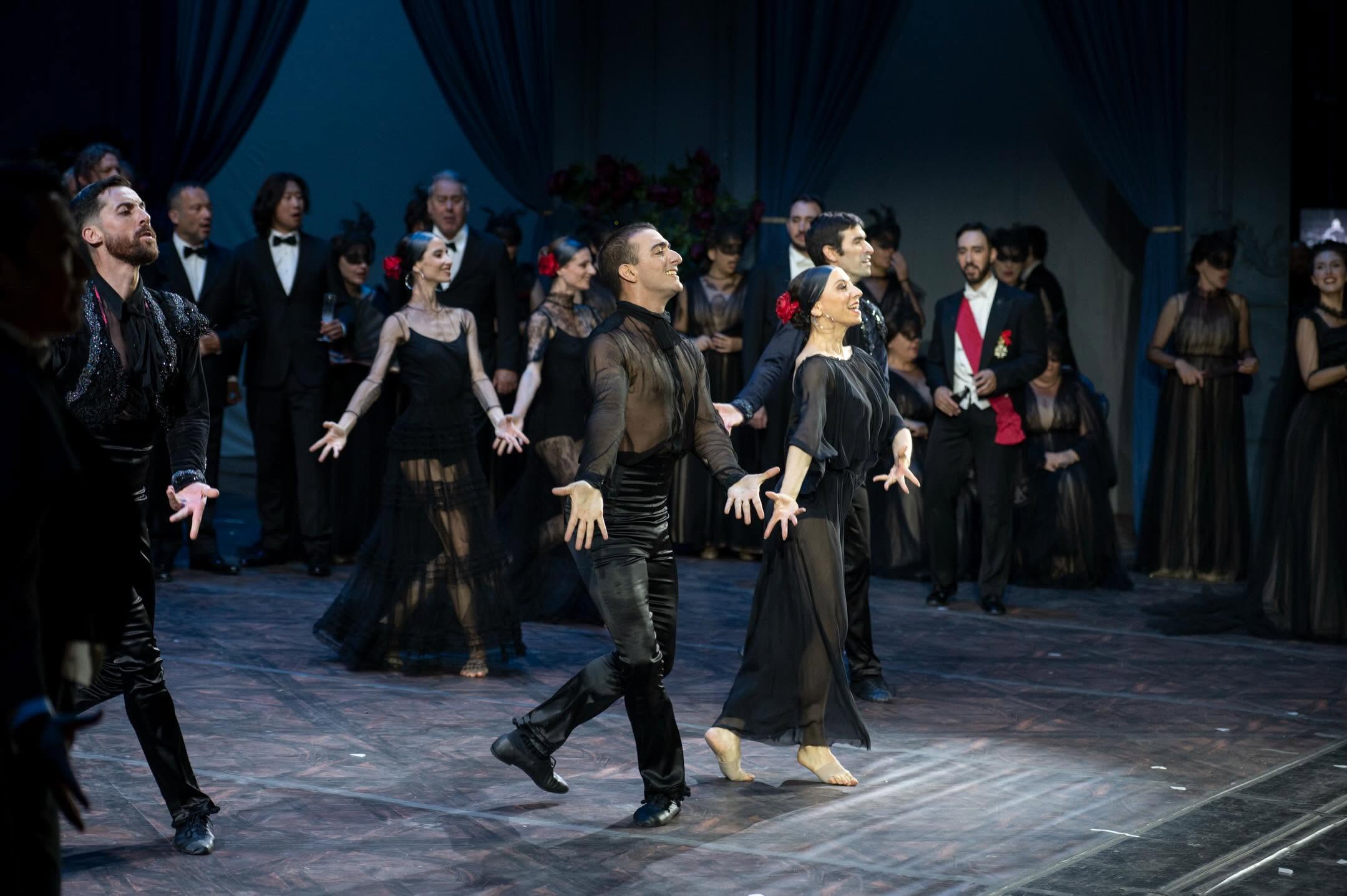
A special mention for promising and talented Guangwei Yao (Gastone) and the confirmed abilities of Daniele Massimi, Carlo Alberto Gioja and Salvatore Minopoli in the essential roles for the opera. Last but not least, my warmest congratulations to the dancers of the Opera of Rome, fantastic matadors and sensual gypsies and the Choir of the Opera of Rome, perfectly harmonised by their mythical maestro, Ciro Visco!

That very evening will remain a special memory I will cherish for ever!

24 June 2026: an exceptional La Traviata featuring the great and marvellous Nadine Sierra, who treated the Roman audience to a magnificent portrayal of Violetta Valéry in Giuseppe Verdi’s La Traviata. Moving, captivating, with a unique vocal timbre encompassing all the colours of the rainbow. There are magical evenings at the opera, and I believe I experienced one tonight at the Rome Opera House, thanks to Superintendent Francesco Giambrone and his Magic Team.

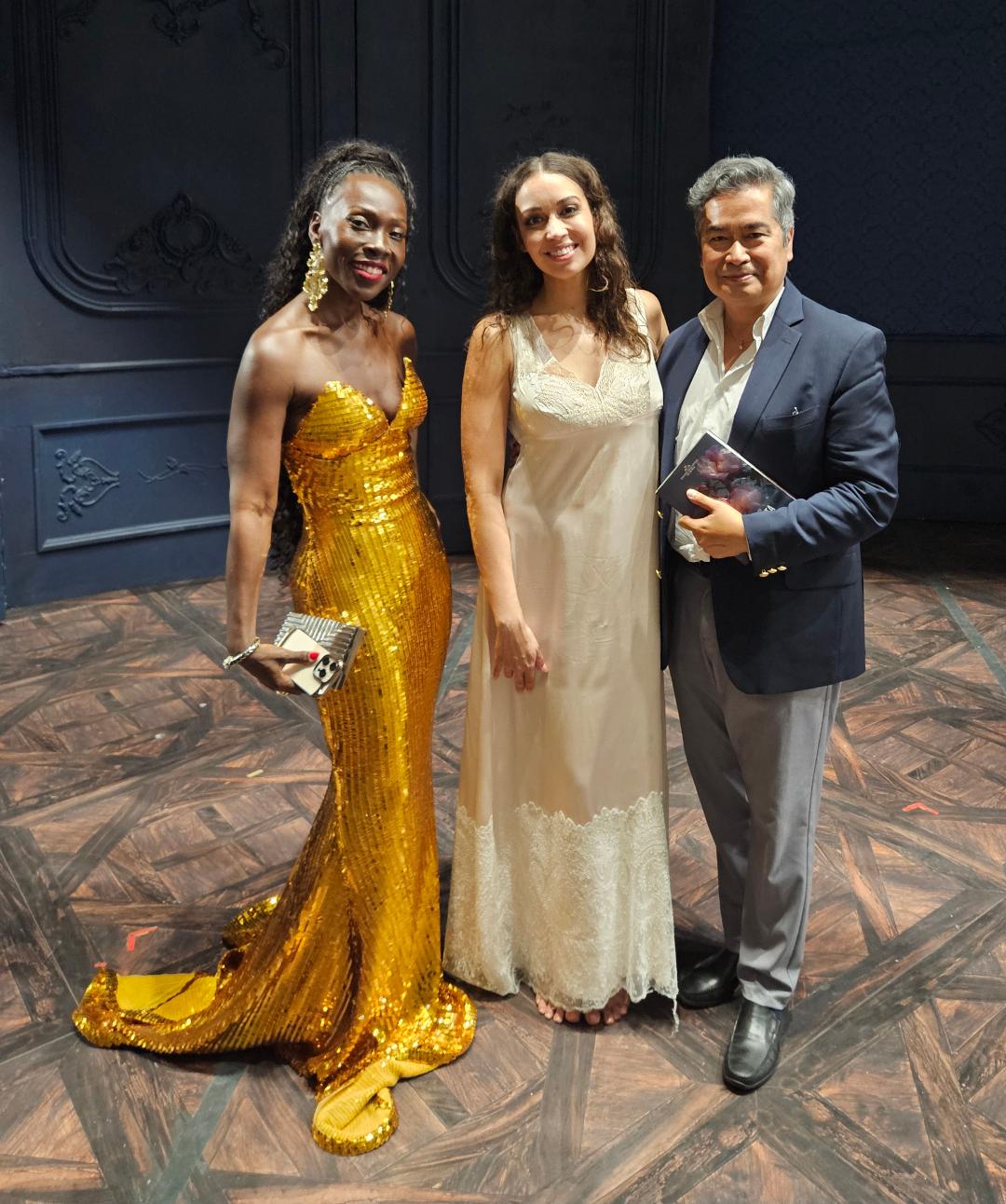
Here, alongside the radiant Natasha Nyanin in her golden gown and my diva, the incomparable Violetta, Nadine Sierra, after the performance.

24 June 2026: Xabier Anduaga portrayed an incredible Alfredo Germont with elegance and talent, capturing all the nuances required by this challenging role. A charming and endearing artist, radiating the fiery passion of his Latin youth.

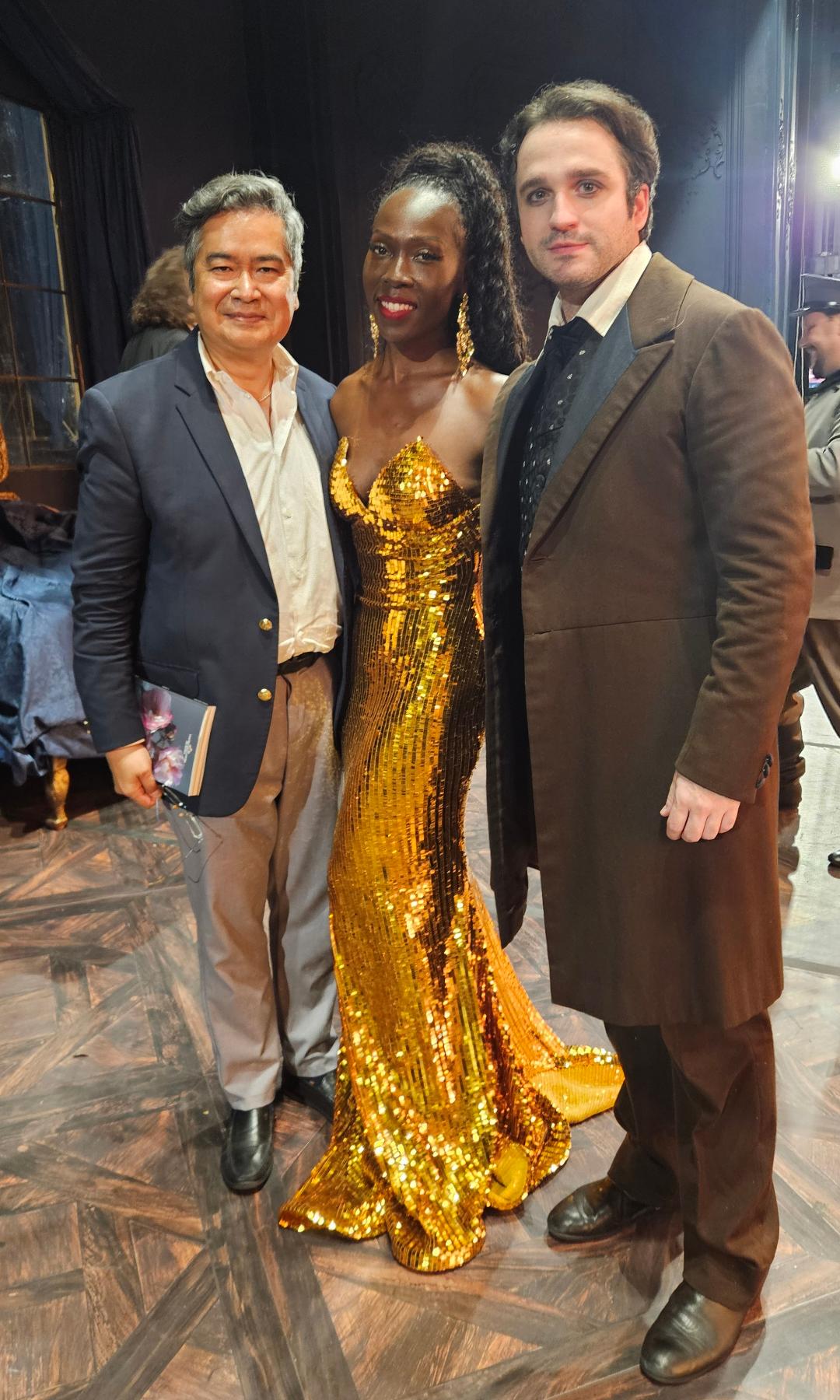
Here he is alongside the wonderful Natasha Nyanin, dressed in gold, for an unforgettable evening! My Darling friend Natasha who came back on purpose to attend this exceptionnal show told me in confidence: “My first Traviata live was 2022 at the Met and like Violetta, little did I know my life was set to change irreversibly that year thanks to a love that would leave me quite bewildered soon. That production also starred Sierra. In a way, seeing her again in Traviata in Roma, on a trip through Italy meant to seal the healing of my soul after for tough years— through recommuning with beauty and reality across Italy — represents a certain full circle moment and a sort of closure (however illusory the idea of closure may be). Violetta doesn’t get the sort of closure we hope for in Traviata. She sings an ounce of hope as her Alfredo returns before she’s consumed fatally by her illness. Such as life: the ending is rarely packaged neatly with a Valentino Red bow but the journey, oh the journey sure can soar with fanciful flight not unlike Verdi’s musical vicissitudes.”

#xabieranduaga#Traviata#roma

Photo credits: Fabrizio Bizio Sansoni for the Opera of Rome