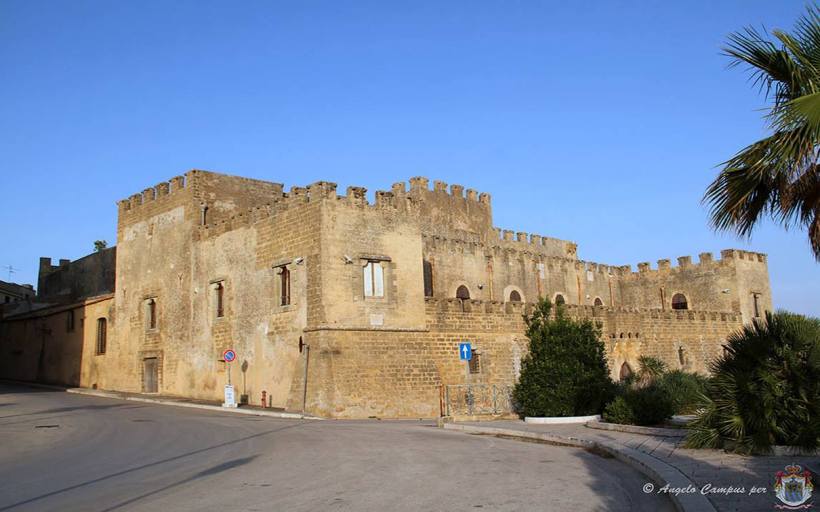
On Saturday 16th June 2018, as promised two years ago, Prince Giuseppe Grifeo di Partanna decided to gather some friends once again in the Castle of his ancestors in Partanna, Sicily. Thanks to Dottore Domenico de Gennaro and the “Il MedioEvo” Association, the funds reunited in occasion of this Gala Dinner will be used to restore two wonderful masterpieces of Sicilian XVIIIth Century.
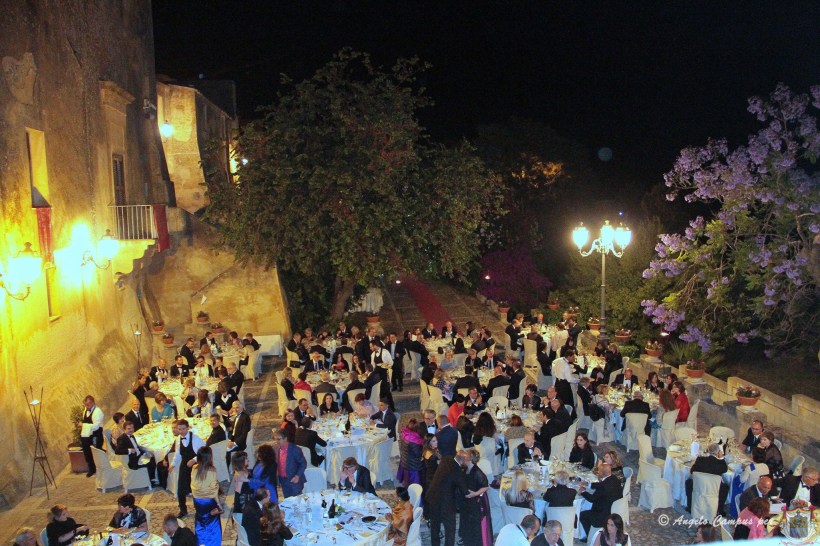
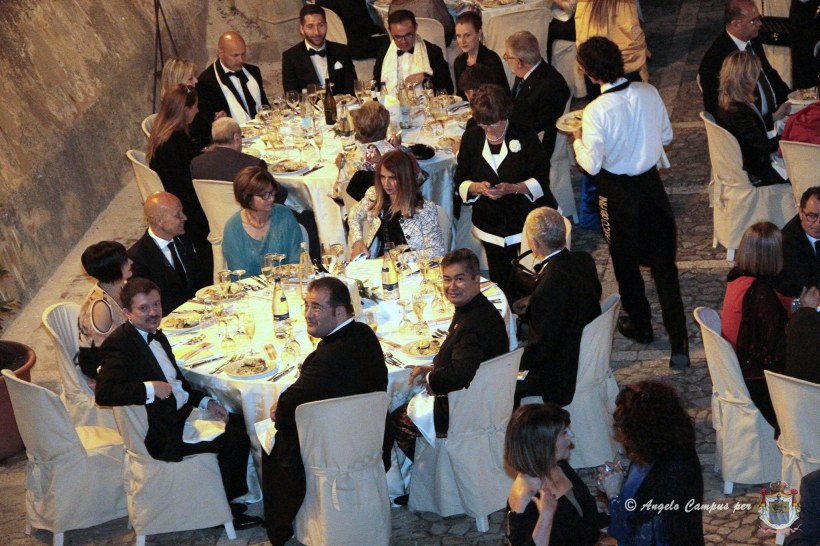
An overview of the Gala Dinner on 16th June 2018 at Castello Grifeo in Partanna (Sicily)
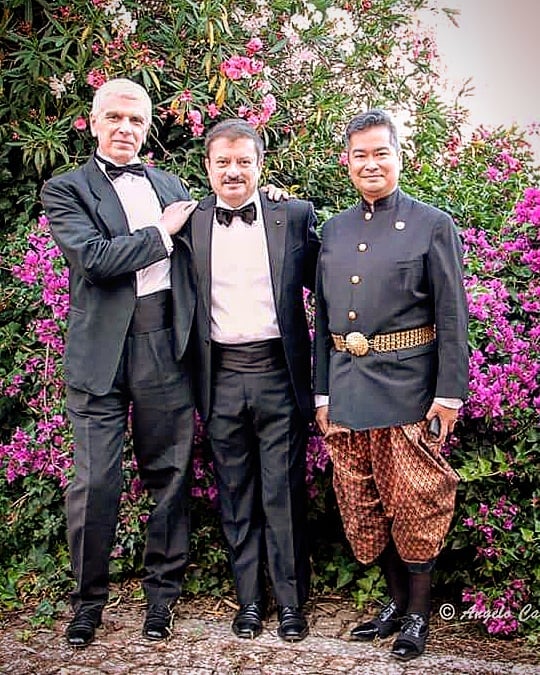
Marquis Vincenzo Grisostomi Travaglini and His Highness Prince Sisowath Ravivaddhana Monipong, in a fraternal embrace with Prince Giuseppe Grifeo di Partanna
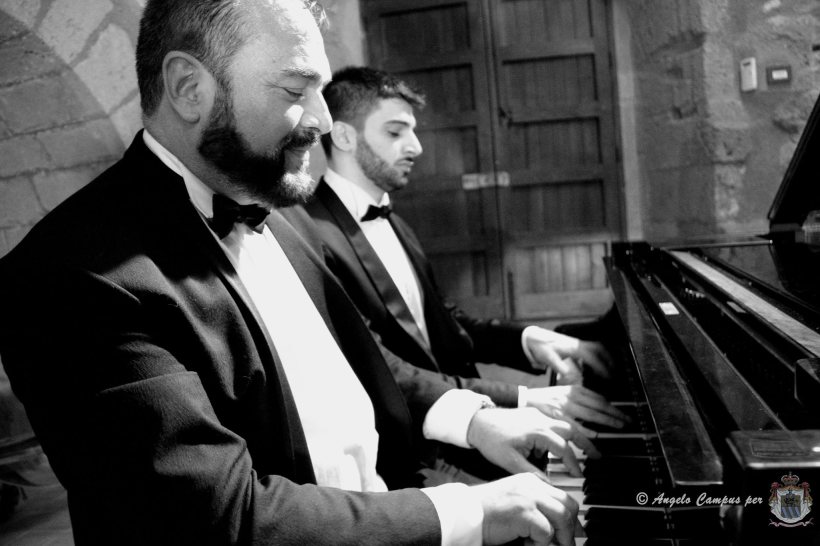
Before dinner, Prince Giuseppe Grifeo di Partanna invited Maestro Vincenzo Marrone d’Alberti, togetehr with his talented young student, Maesto Luca Lione to play romantic pieces of Chopin, Lizst and Brahms and my emotion was at its utmost level, when I heard the notes of Ravel’s “Ma Mère l’Oye”, a surprise for Prince Grifeo (who particularly appreciates this piece of music) but also for me, as Ravel composed it right after attending the performance of the Royal Ballet of Cambodia at Pré Catelan in Summer 1906, following King Sisowath in state visit.
Maestro Vincenzo Marrone d’Alberti and Maestro Luca Lione interpreting with grace and sentiment Maurice Ravel’s suite “Ma Mère l’Oye”.
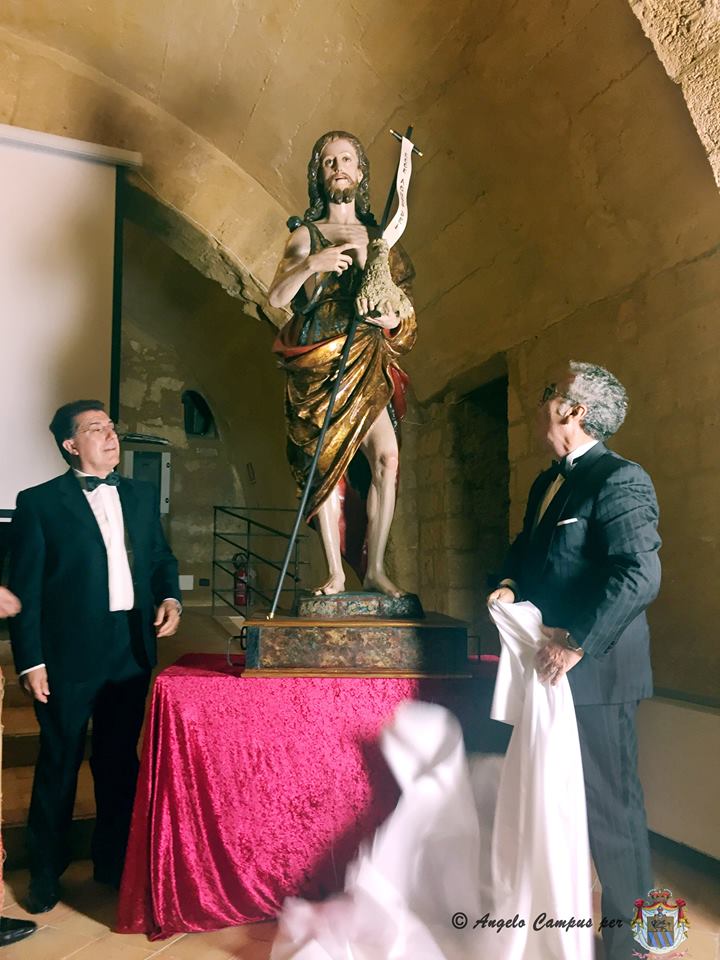
The funds gathered two years ago served to restore a magnificent statue of San Giovanni Battista, a glory of Sicilian medieval wood sculpture tradition.
Mayor Nicolà Catania and Doctor Domenico (Mimmo) de Gennaro revealing the beautiful newly restored statue of San Giovanni Battista
Many friends of Prince Giuseppe Grifeo di Partanna have participated with enthusiasm to this prestigious Gala evening and the celebration went on, until late into the summer night, among laughs and joyful jokes of a merry company, who promised to do it again very soon !
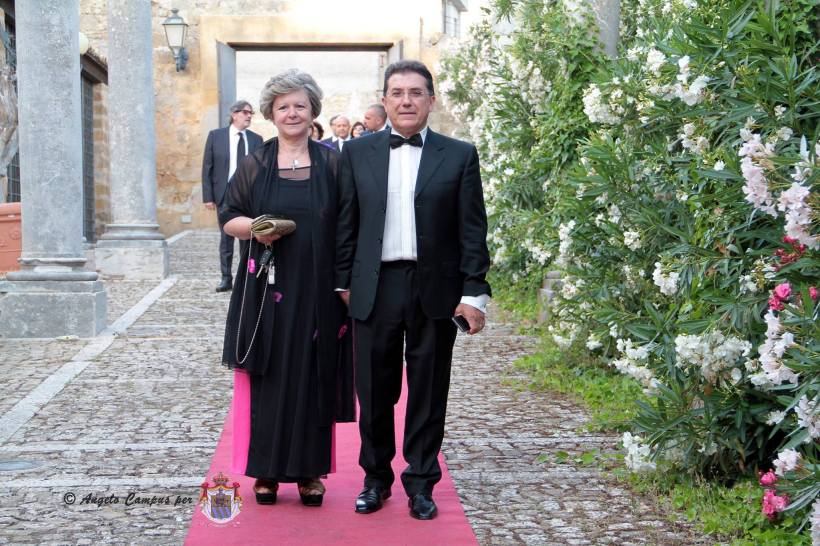
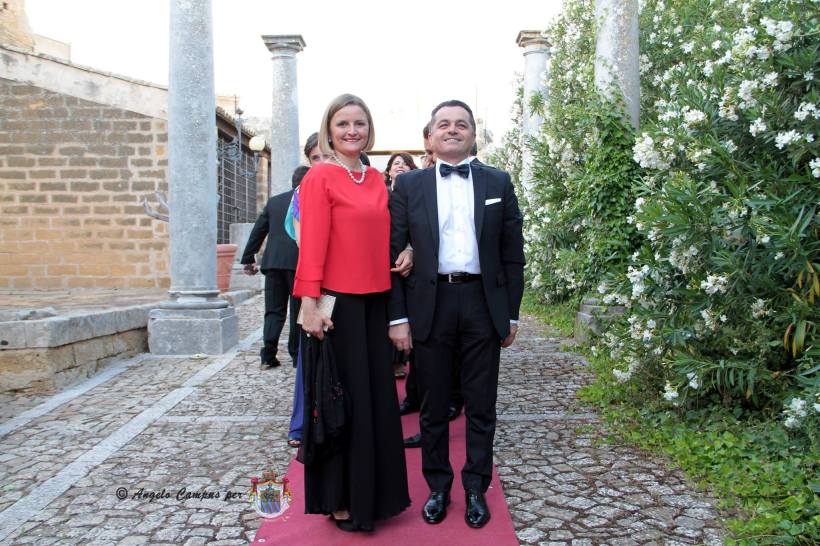
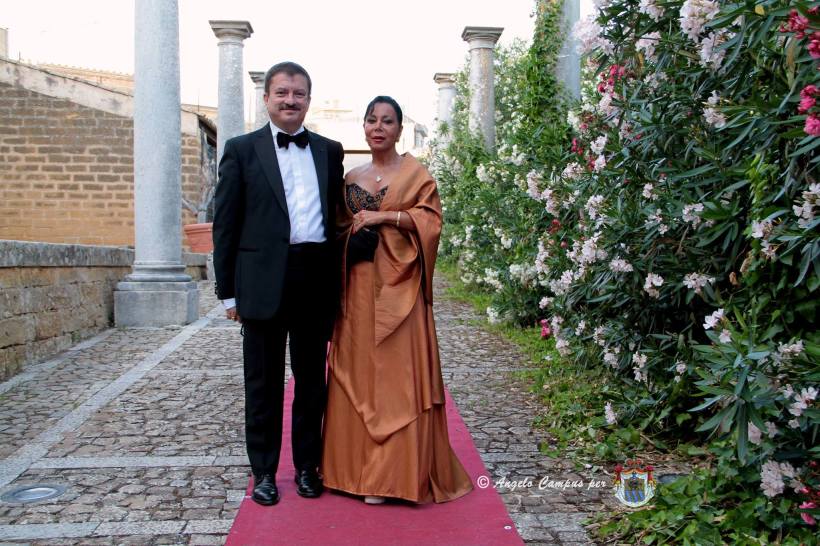
The arrival of Doctor Domenico (Mimmo) de Gennaro and his charming wife, Doctor Rosalia Crescenti, our charming hosts on this auspicious day.Our dear friends, Mr. Rafaele Beninati and his gorgeous wife, Mrs. Giovanna Maria Ciolino, who prepared for the happy few of us the most incredibly delicious “pasta” with the world famous red shrimps of Mazara, the day before !Glamourous Agata Palazzo, in a splendid evening ensemble of bronze silk, together with Prince Giuseppe Grifeo di Partanna
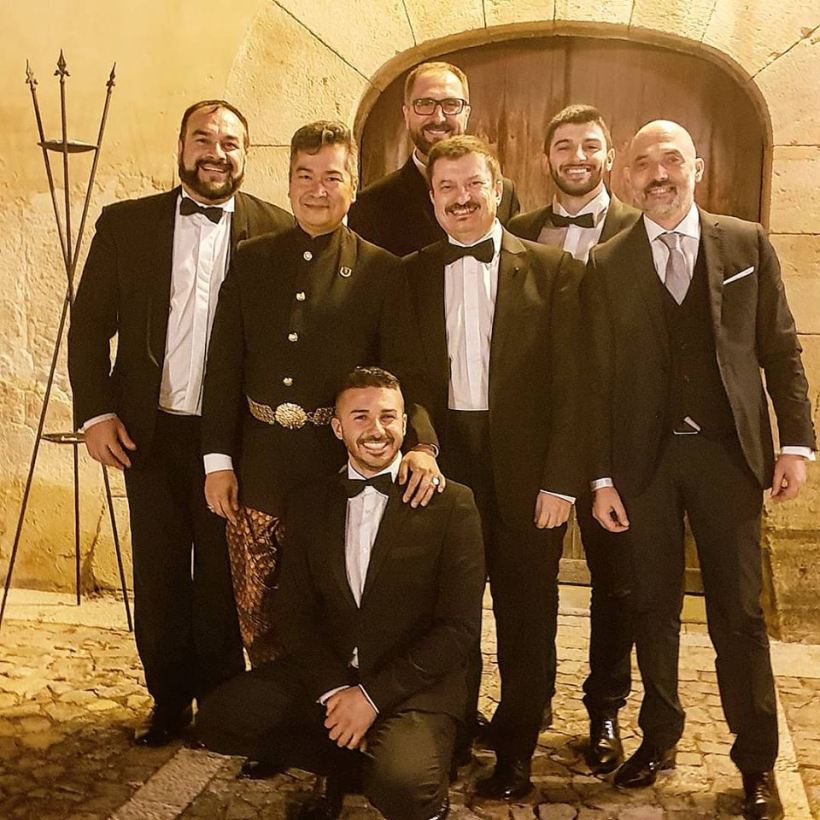
Happy gathering at the end of the evening, around young promising Tenor Roberto de Gennaro Crescenti, Meastro Vincenzo Marrone d’Alberti, His Highness Prince Sisowath Ravivaddhana Monipong, Prince Giuseppe Grifeo di Partanna, Photographer Angelo Campus, Doctor Antonio Roberto Tartamella and talented young Maestro Luca Lione.
Needless to say that this enchanting evening is still alive in our hearts and we are looking forward to going back to this lovely area of the Beautiful Sicily.
All my gratitude and sincere thanks to our marvellous photographer, Mr. Angelo Campus.
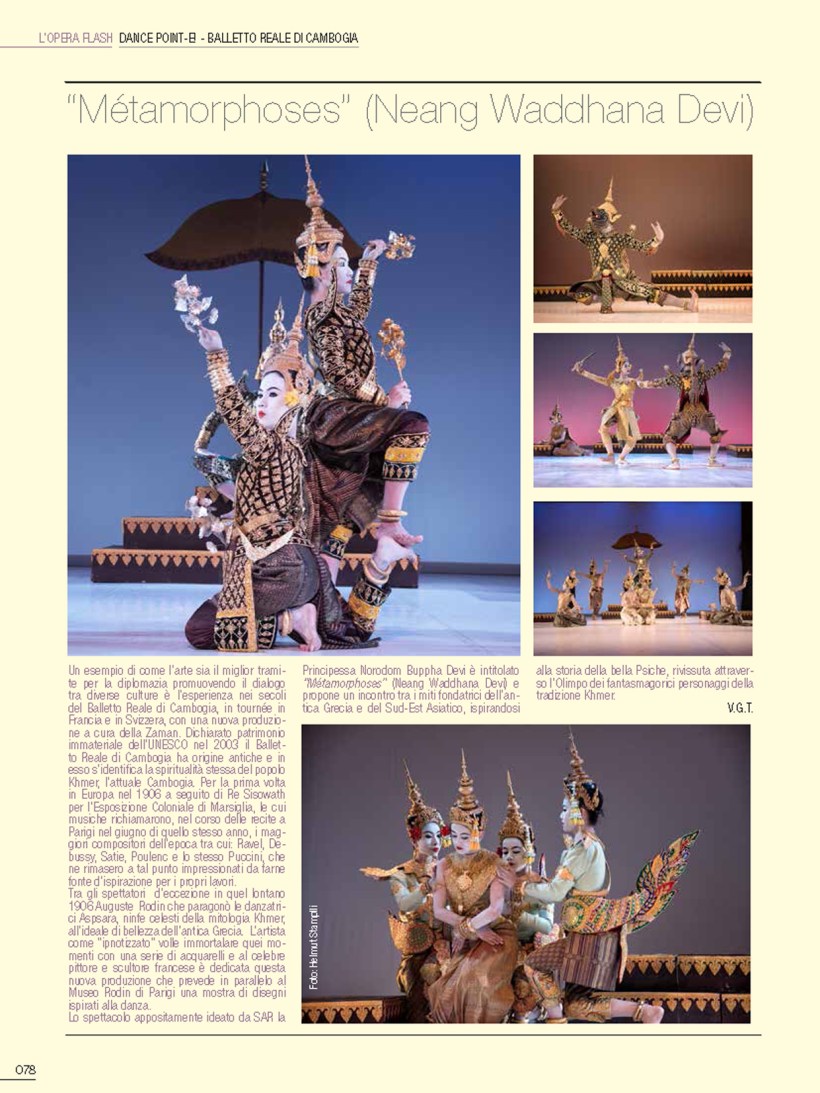
“Métamorphoses” or Neang Waddhana Devi, an article by Maestro Vincenzo Grisostomi Travaglini, published in “L’Opera International Magazine”, June 2018, in Italian language on the last tournée of the Royal Ballet of Cambodia in Switzerland and France in May 2018.
To be noted the marvellous photos taken by Swiss photographer, Helmut Stampfli.
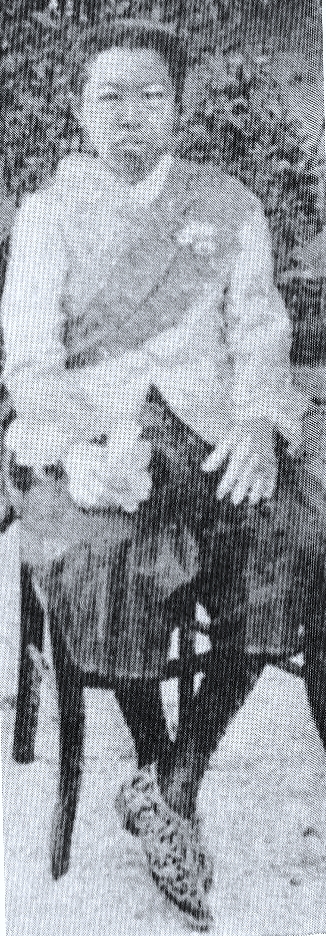
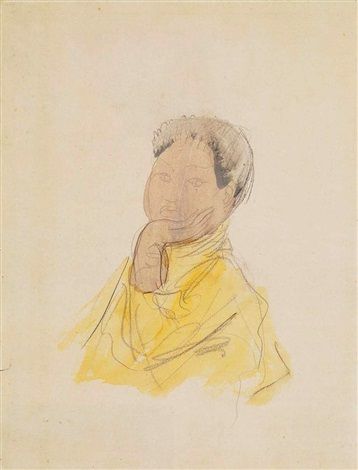
In 1906, His Majesty King Sisowath brought the Royal Ballet of Cambodia to France. The dancers were under the direction of the King’s favourite daughter, Her Royal Highness Princess Sisowath Somphady (1865 – 193…). She really impressed everyone, especially the journalists. Rodin, himself, draws a portrait of the almighty princess.
Her Royal Highness Princess Sisowath Somphady as photographed in Paris, Le Petit Journal, issue n°818, 22nd July 1906
Portrait of HRH Princess Sisowath Somphady, 1906, Auguste Rodin (aquarelle)
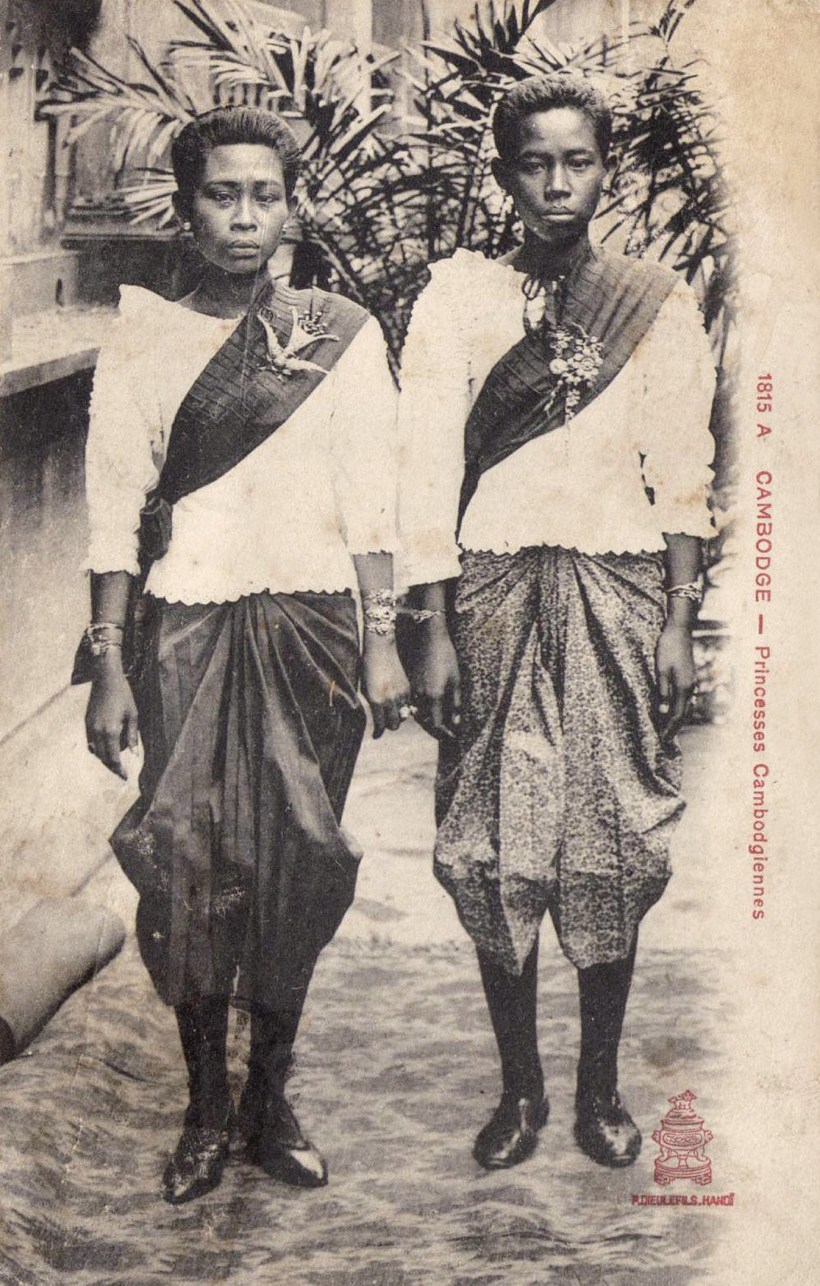
Samdech Preah Voreachny Vann (left) was married to King Sisowath (1840-1927) of Cambodia and was the beloved Mother of King Sisowath Monivong (1875-1941)
Her sister, Khun Sa-Im was also married to King Sisowath and has two children: HRH Princess Sisowath Samphady (1865-193…) and HRH Prince Sisowath Duong Mathura (1873-1908)
They were very loved by King Sisowath and were both members of the Royal Ballet.
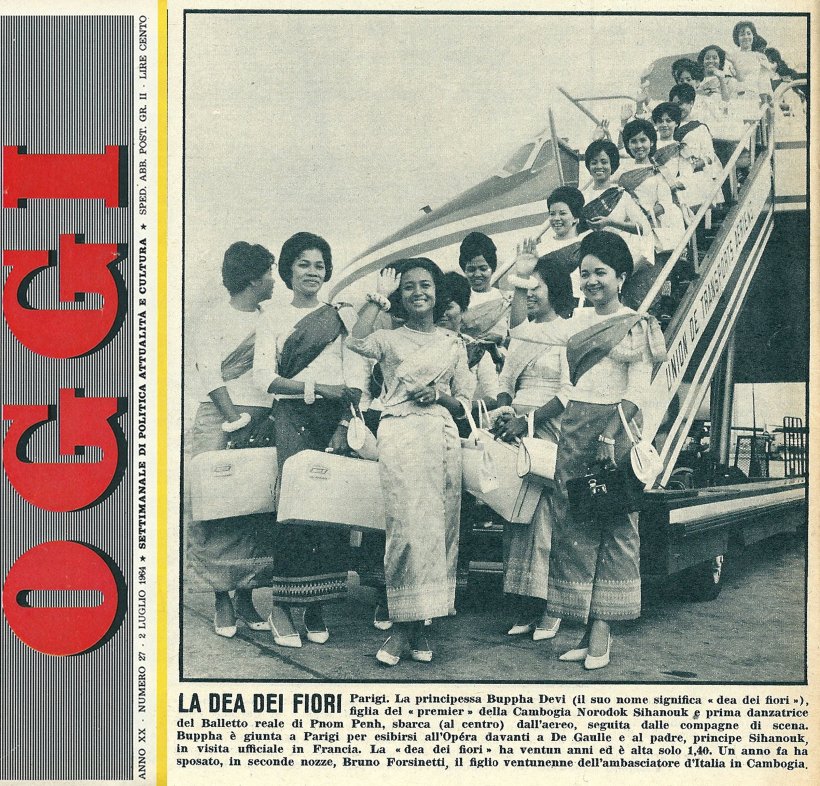
Paris. Princess Buppha Devi (her name means Goddess of Flowers), daughter of the “Premier” of Cambodia Norodom Sihanouk and First Dancer of the Royal Ballet of Phnom Penh stepped down from the plane ( in the centre) , followed by her fellow dancers. Princess Buppha Devi came to Paris to perform at the Opera for De Gaulle and her father, Prince Sihanouk in official visit in France. The “Goddess of Flowers” is twenty one years old and only 1,40 meter high. One year ago, she married in second wedding, Bruno Forsinetti, 21, son of the Ambassador of Italy in Cambodia.
Copyright Alain Hanel 2017: Reproduction prohibited except authorisation of the author
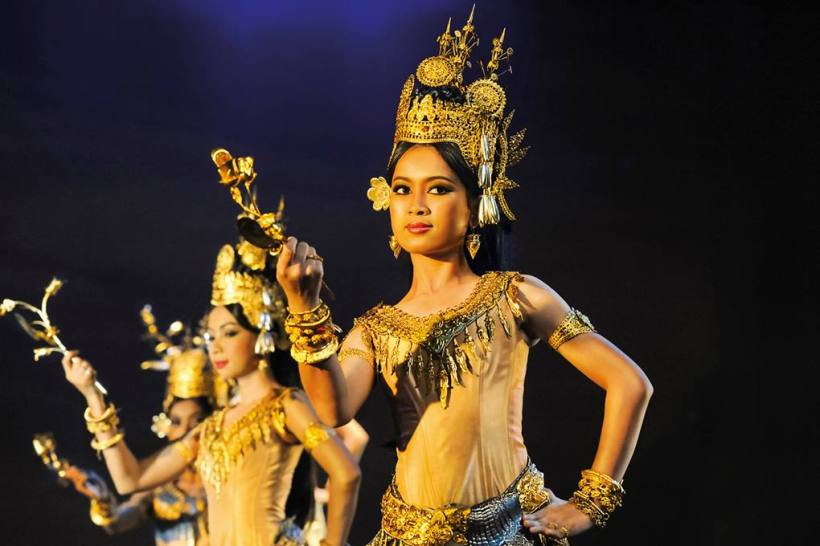
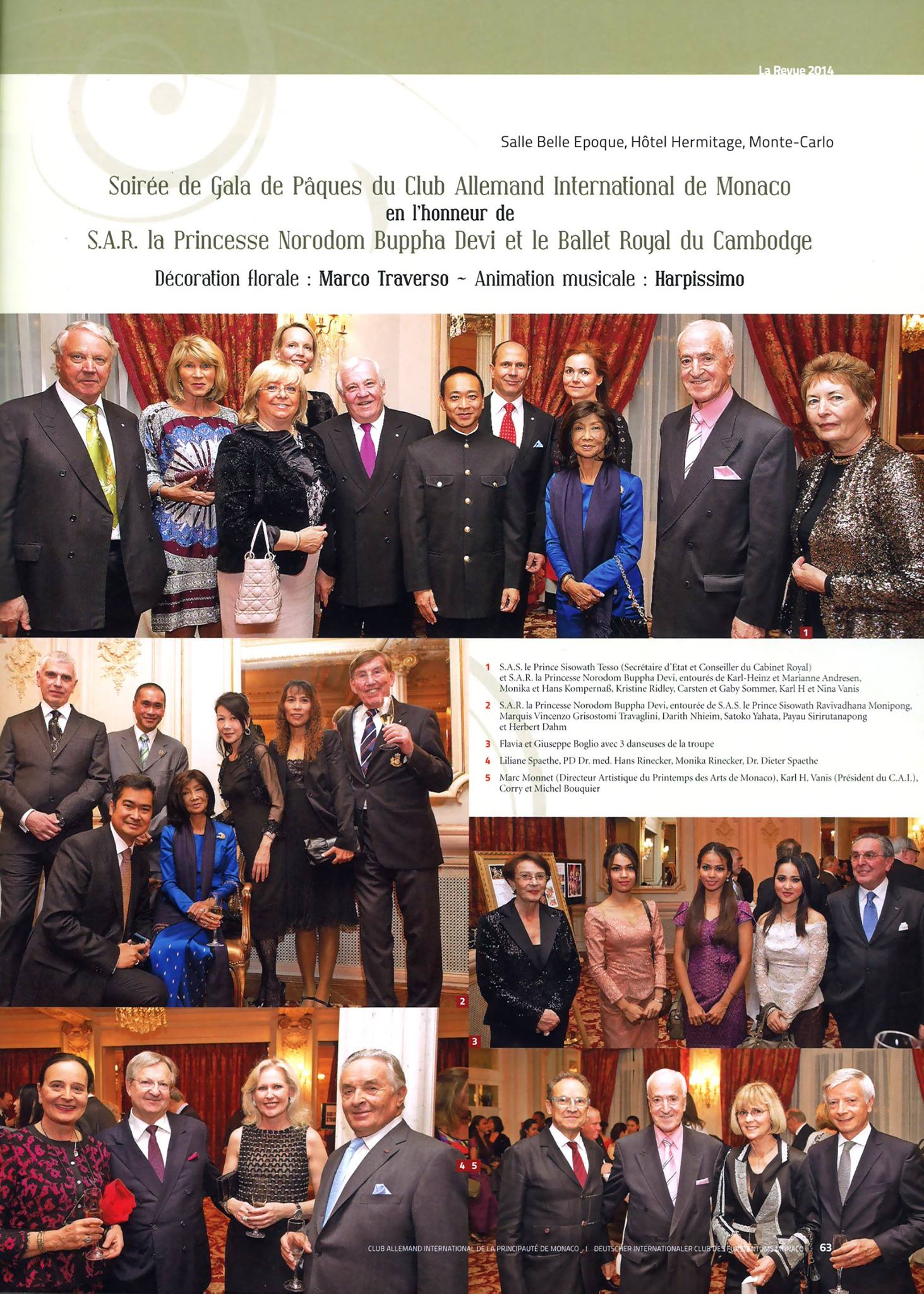
In March 2013, the Royal Ballet of Cambodia was invited by the Printemps des Arts to perform in Monaco. Her Royal Highness Princess Norodom Buppha Devi led the delegation, seconded by His Royal Highness Prince Sisowath Tesso. Their Serene Hignesses Prince Albert and Princess Charlene attended the Première and Her Royal Highness Princess Caroline of Hanovre attended the Gala Evening.
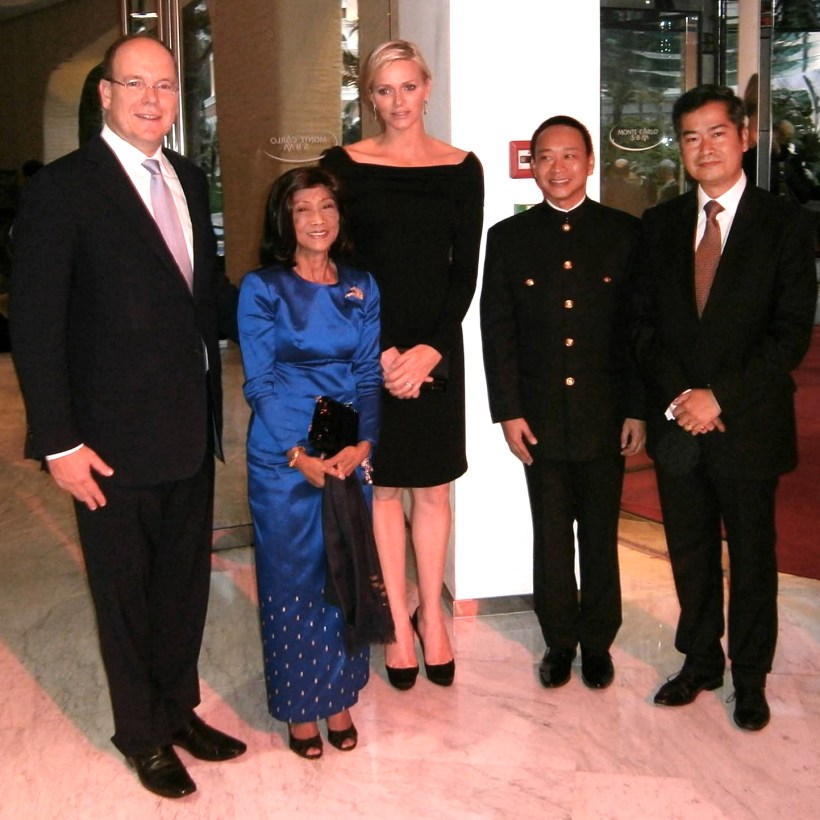
31st Mars 2013: Their Serene Highnesses Prince Albert and Princess Charlene of Monaco, welcoming Her Royal Highness Princess Samdech Reach Botrei Preah Ream Norodom Buppha Devi, in company of His Royal Highness Prince Sisowath Tesso and of His Highness Prince Sisowath Ravivaddhana Monipong
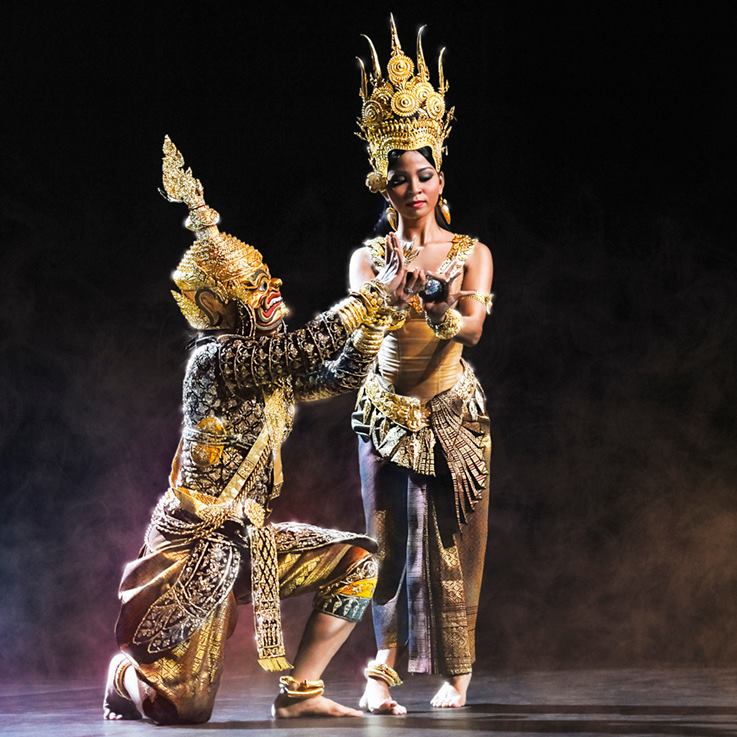
On this occasion, my dear friend, French photographer Alain Hanel, as the official photographer of the Printemps des Arts shooted marvellous pictures of the dancers on stage and he decided to set up an exhibition of his works in Monaco.
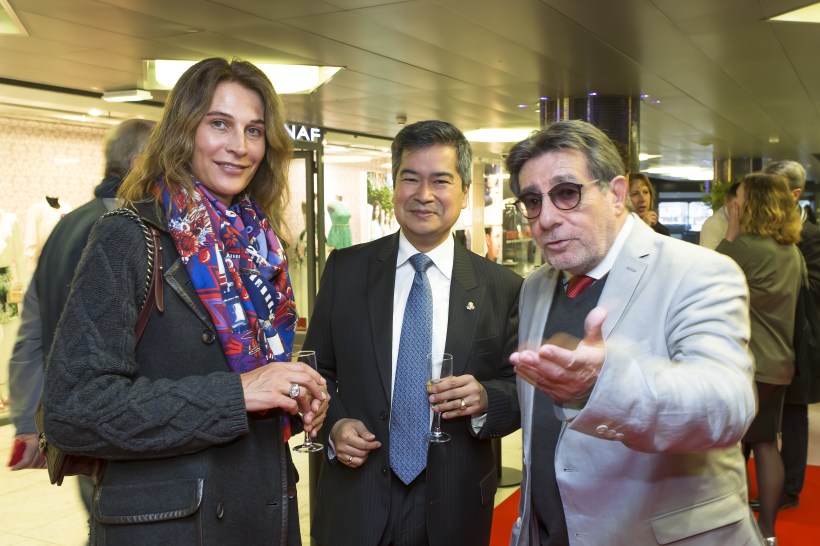
In company of HRH Princess Antonella d’Orléans-Bourbon and of my friend, French photograher Alain Hanel. Photo: Eric Dervaux
His son Julien Pierre Hanel gave the magic touch to the photos by re-working graphically with the utmost modern techniques to render the glimpses of fantasy and glitters, characteristical of the Cambodia Royal Ballet.
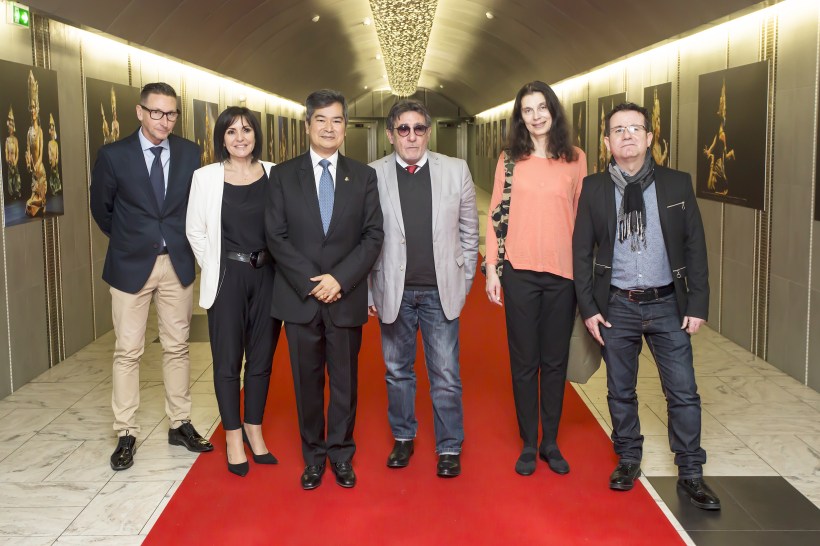
From left to right: Mr. Hubert Dupont-Sonneville, Mrs. Marie Madeleine Liesse, Prince Sisowath Ravivaddhana Monipong, Mr. Alain Hanel, Mrs. Angela de Bona, Mr. Julien Pierre Hanel Photo: Eric Dervaux
This initiative was definitely supported by the famous brand of French supermarkets, Carrefour and their Foundation for Arts. Mrs. Marie Madeleine Liesse and her Responsible for Marketing, Mr. Hubert Dupont-Sonneville were enthusiastic promoters and this is how we ended on 9th March 2017 enjoying this exclusive venue in one of the main Shopping Mall of Monaco.
The Apsaras will continue their enchanting dances on the walls of Fontvieille until 7th April 2017.
Copyright Alain Hanel 2017: Reproduction prohibited except Authorisation of the Author
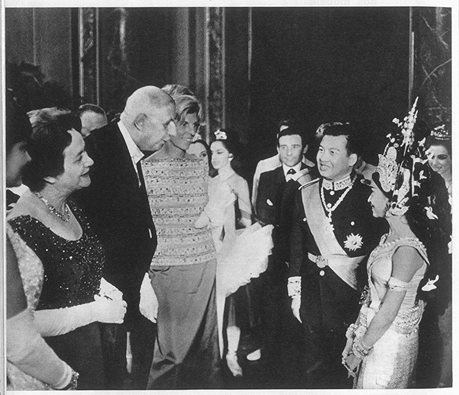
General de Gaulle and his wife, together with Ms. Pompidou, greeting HRH Samdech Preah Apyuvareach Norodom Sihanouk and his eldest daughter, HRH Princess Norodom Buppha Devi at Opera Garnier, July 1964
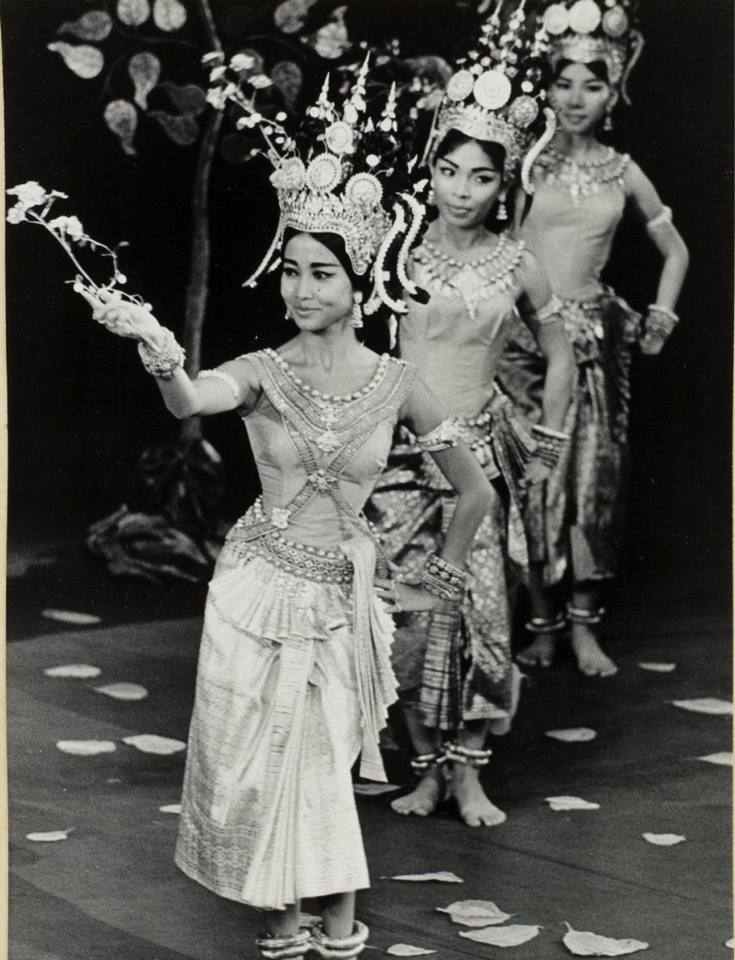
In summer 1964, HRH Princess Norodom Buppha Devi went on a successful tournée, following Her Father, HRH Prince Norodom Sihanouk in a State Visit in France. This was the first time the Royal Ballet of Cambodia was granted the Opera de Paris as a privileged stage, before the Theatre Sarah Bernhardt (Théâtre de la Ville nowadays).
HRH Princess Norodom Buppha Devi leading the Apsara Ballet at the Theatre Sarah Bernhardt, Paris, July 1964
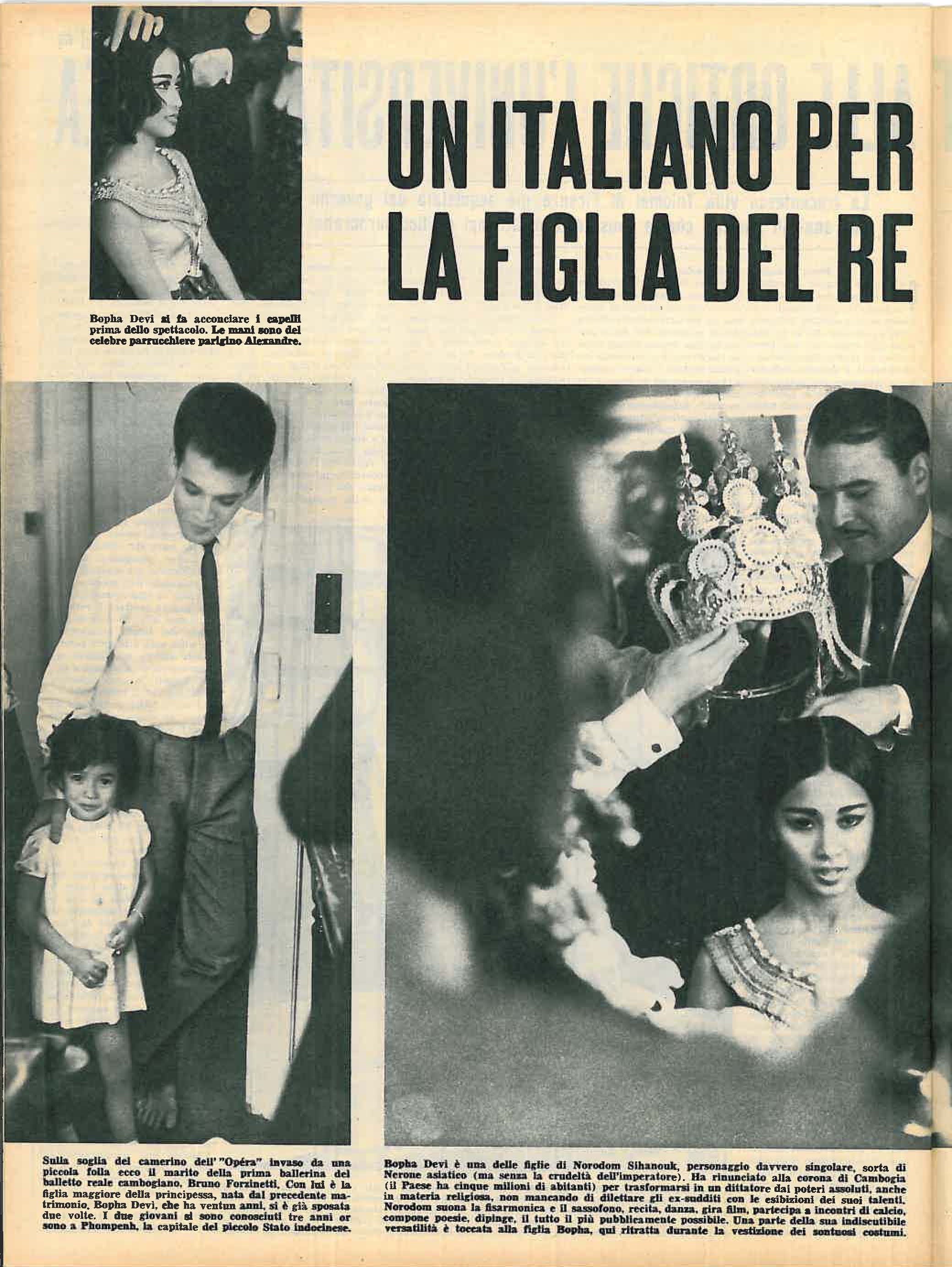
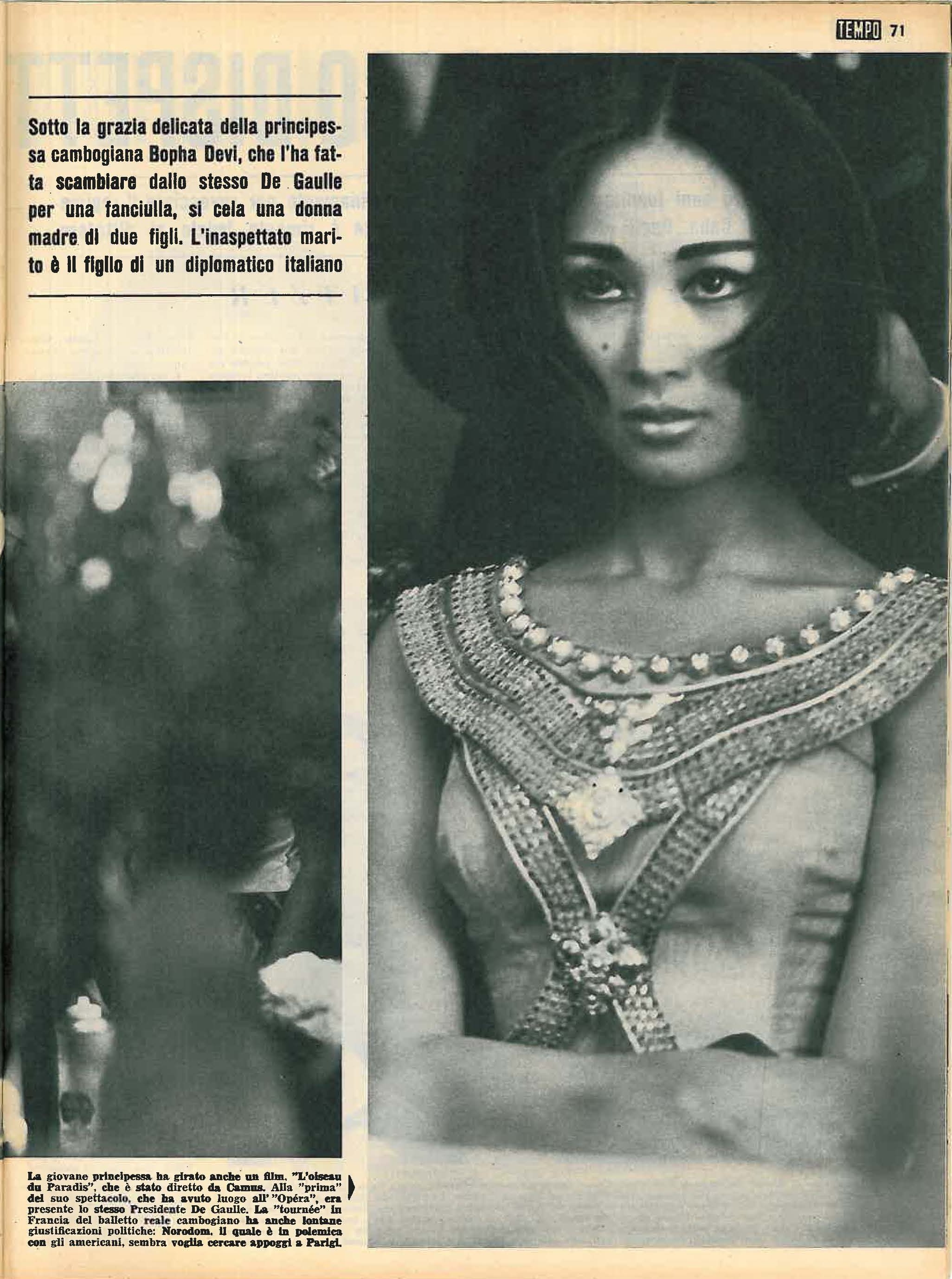
Obviously, the Italian journalists’ attention was taken by the young couple, HRH Princess Norodom Buppha Devi and Bruno Forsinetti. They were young, beautiful and their story really resembled a fairy tale. Here is the article, which was published in « Tempo », n°29, 18 July 1964
“An Italian for the King’s daughter” Lower left: Bruno Forsinetti with HRH Princess Sisowath Monikossoma, eldest daughter of HRH Princess Norodom Buppha Devi. Lower right: the famous Parisian hairdresser Alexandre is adjusting the Apsara Crown for Princess Buppha Devi“Behind the graceful face of the Princess is hidden a young mother of two children. General de Gaulle himself thought she was a young girl. The unexpected husband is the son of an Italian diplomat.”
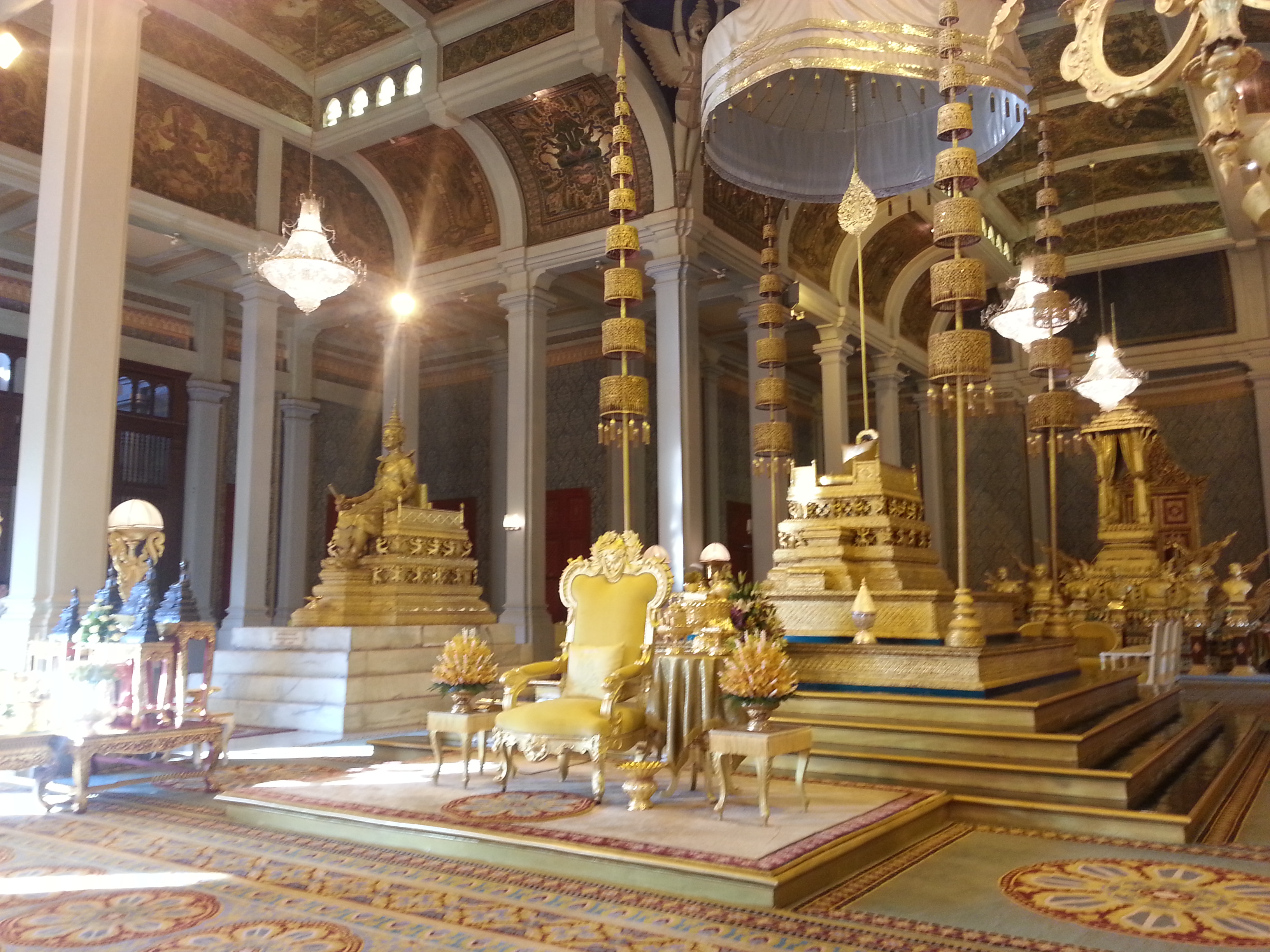
En ce mardi 28 octobre 2014, le soleil dardait ses rayons d’or à travers la Porte de la Victoire et illuminait de sa lumière éclatante la Salle du Trône ou Preah Tineang Tevea Vinicchay. Je hâtais le pas en gravissant les marches de l’escalier du côté Sud pour aller retrouver ma tante, Son Altesse Royale la Princesse Samdech Sisowath Pongneary Monipong (que dans la famille nous appelons affectueusement Tante Lolotte, héritage de son passage chez les sœurs de la Providence quand elle étudiait dans cette prestigieuse institution religieuse de Phnom Penh) qui m’attendait un grand sourire aux lèvres. Elle me conduisit à ma place, tout près du fauteuil doré où prendrait place dans quelques instants Sa Majesté la Reine-Mère.
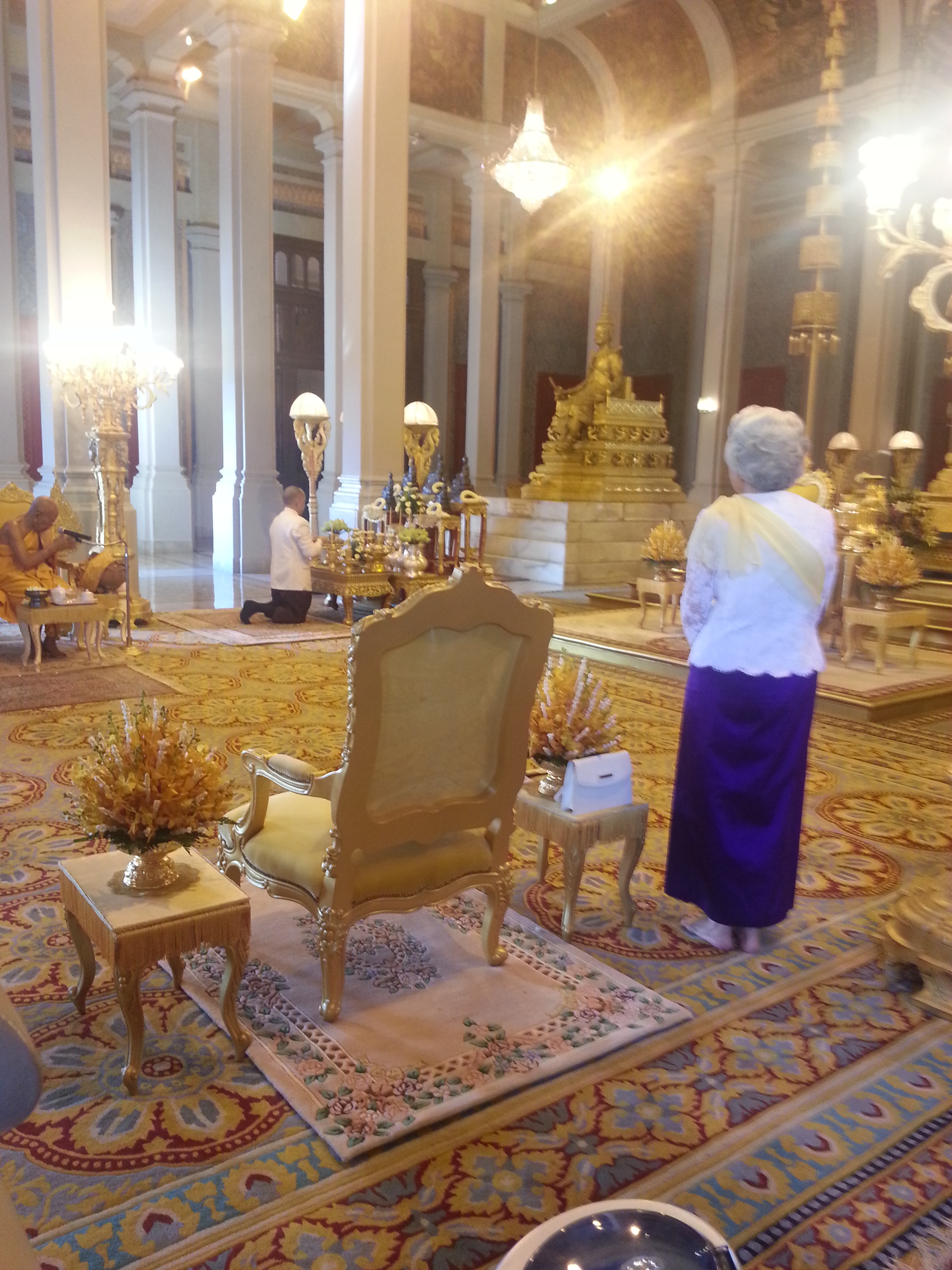
Sa Majesté la Reine-Mère recueillie pendant que Sa Majesté le Roi allume les baguettes d’encens de l’autel royal
Arrivèrent peu de temps après moi, les deux Chefs des deux ordres bouddhiques du Royaume, Mohanikay et Thommayut, et la multitude de bonzes dont le nombre correspondait à l’âge du Souverain plus un : ils étaient donc soixante-deux. Puis les Grands Princes et Princesses, à qui le Roi avait conféré le prédicat de « Samdech » en plus de celui d’Altesse Royale. Nombres d’entre eux me gratifièrent de chaleureuses embrassades et me demandèrent des nouvelles de mon père, demeuré à Paris pour se soigner.
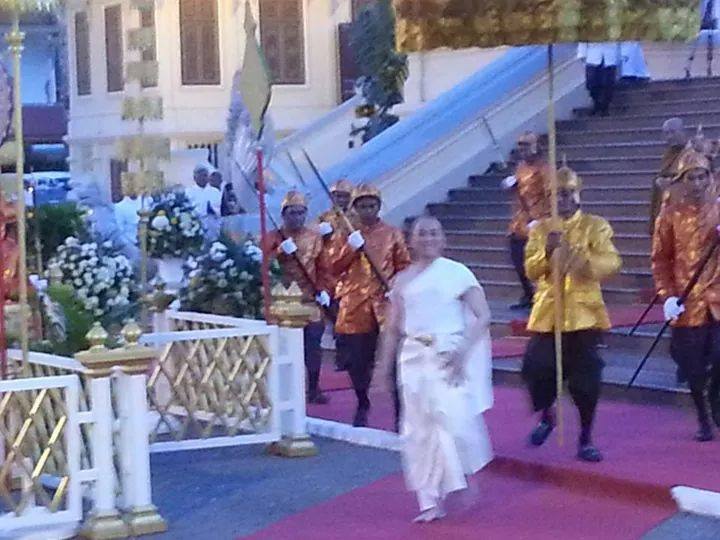
en compagnie de Son Altesse Royale la Princesse Samdech Reach Botrei Preah Ream Norodom Buppha Devi
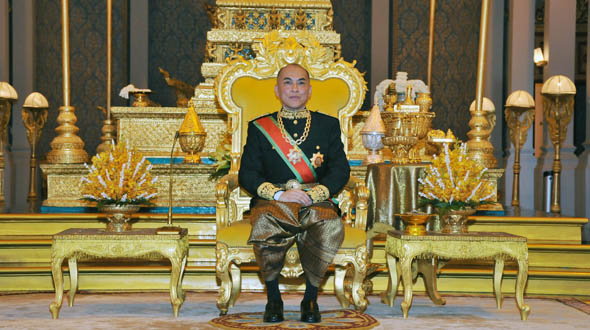
Résonnèrent enfin les conques des Bakous et Sa Majesté le Roi arriva par la porte Nord qui donne sur le Palais Khemarin, Résidence Royale. Sa Majesté alluma les bougies et les baguettes d’encens devant chacun des bustes des Rois et Reines qui l’ont précédé et ce, jusqu’au Roi Ang Duong. Il alla ensuite se recueillir dans la Chapelle Royale à droite du Trône avant de saluer les Grands Dignitaires du Royaume ainsi que les Grands Princes et Princesses ayant reçu le titre de « Samdech ». Les bonzes commencèrent alors à réciter leurs litanies pour appeler la chance et la victoire sur le Souverain. Vint alors le tour des Brahmanes qui, après avoir consacré l’eau lustrale dont le Roi se baigna le front, Lui remirent une feuille sacrée que le Souverain prendra soin de mettre autour de son oreille droite.
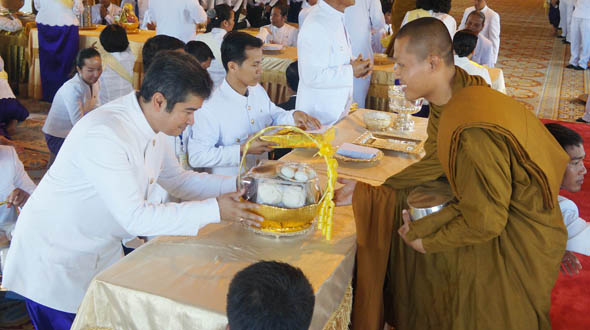
A l’issue de la cérémonie, le Roi, la Reine-Mère, les Grands Dignitaires du Royaume ainsi que les membres de la Famille Royale sont invités à faire l’offrande des victuailles à tous les Vénérables présents. C’est Son Altesse Royale la Princesse Samdech Reach Botrei Preah Ream Norodom Buppha Devi qui me poussa littéralement à prendre place dans le rang des Princes qui distribuent les offrandes et c’est ainsi que je m’acquittai de ce devoir filial pour la première fois de ma vie dans ce lieu ô combien sacré, grâce à l’intervention affectueuse mais néanmoins autoritaire de ma très respectée cousine.
L’après-midi même, le Roi recevait les vœux du Gouvernement, des Corps Constitués ainsi que du Corps Diplomatique. Seuls les « Samdech » de la Famille Royale furent conviés et c’est Son Altesse Royale la Princesse Samdech Reach Botrei Preah Ream Norodom Buppha Devi qui présenta les vœux de la Famille Royale au Souverain.
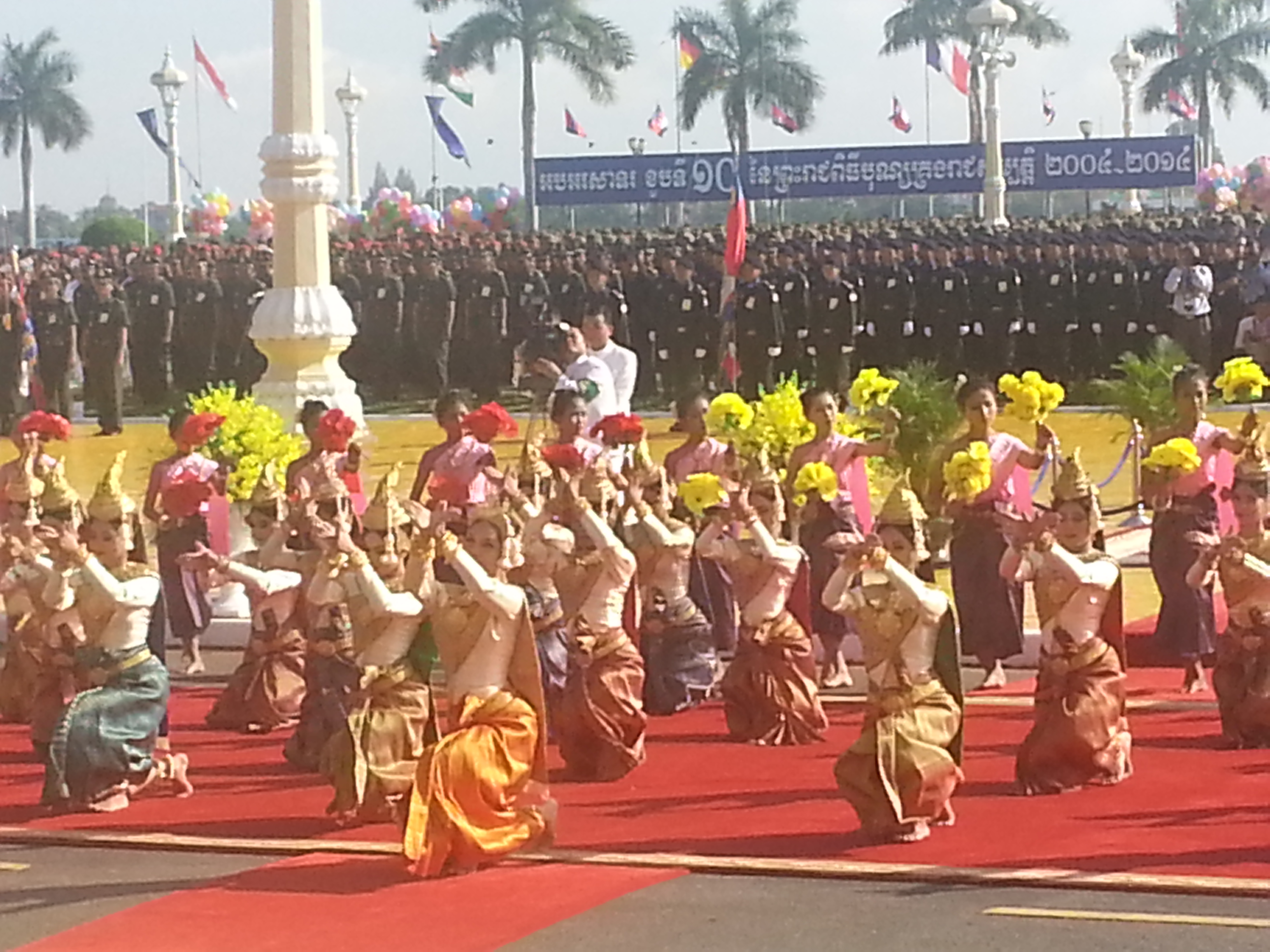
Nous nous retrouvâmes le lendemain matin très tôt à 7h30 du matin au Pavillon Chanchhaya, où devait se tenir le grand meeting populaire avec l’hommage des forces armées royales et de la Société Civile. Je retrouvais avec beaucoup de joie les jolies danseuses du Ballet Royal, ma grande amie, Neak Kru Sam Sattya et l’ex-danseuse étoile, Menh Kossiny, désormais secrétaire d’état à la culture, entamant son second mandat, fait suffisamment rare pour être souligné ! Il faisait une chaleur de plomb malgré l’heure matinale et nous fûmes désolés de voir trois jeunes scouts du Cambodge s’évanouir l’un après l’autre du fait de la température torride. La Danse des Souhaits fut comme d’habitude gracieuse et très applaudie. Le discours lu par le Gouverneur de la Ville de Phnom Penh, convenu et sans surprise. Le Roi répondit avec élégance et grande simplicité en louant l’héritage de Feue Sa Majesté le Roi-Père et encouragea la Nation toute entière à continuer ses efforts sur le chemin de la paix et du développement.
Après maintes embrassades et retrouvailles chaleureuses, ma grand-tante, Son Altesse Royale la Princesse Sisowath Ayravady convia quelques cousins triés sur le volet pour un petit déjeuner très apprécié (nous n’avions rien avalé depuis le matin) dans un des meilleurs restaurants chinois de la ville : le Yisang. Nous eûmes la surprise d’y retrouver Son Altesse Royale le Prince Samdech Krom Preah Norodom Ranariddh qui, Lui aussi, y déjeunait en famille en compagnie de sa jeune et ravissante épouse, Neak Moneang Phalla et de leur dernier fils. Nous nous régalâmes de bouchées à la vapeur à la mode de Canton ou Dim Sum ainsi que de nombreuses délicatesses comme les pattes de poulet à la sauce de soja et les raviolis à la vapeur au porc laqué… Nous nous tînmes légers car à 16h30 nous attendait la dernière cérémonie rituelle, celle de l’ondoiement royal.
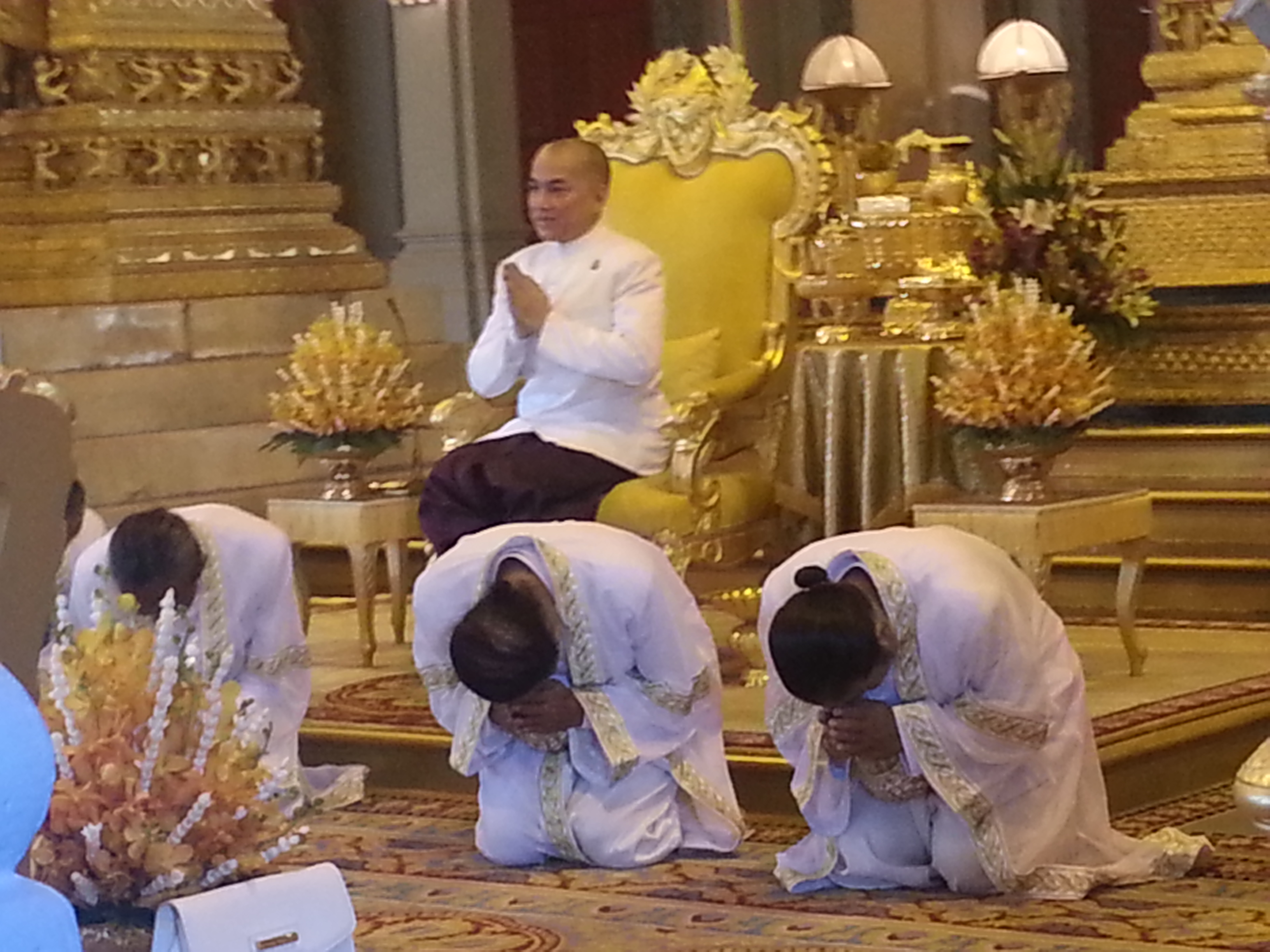
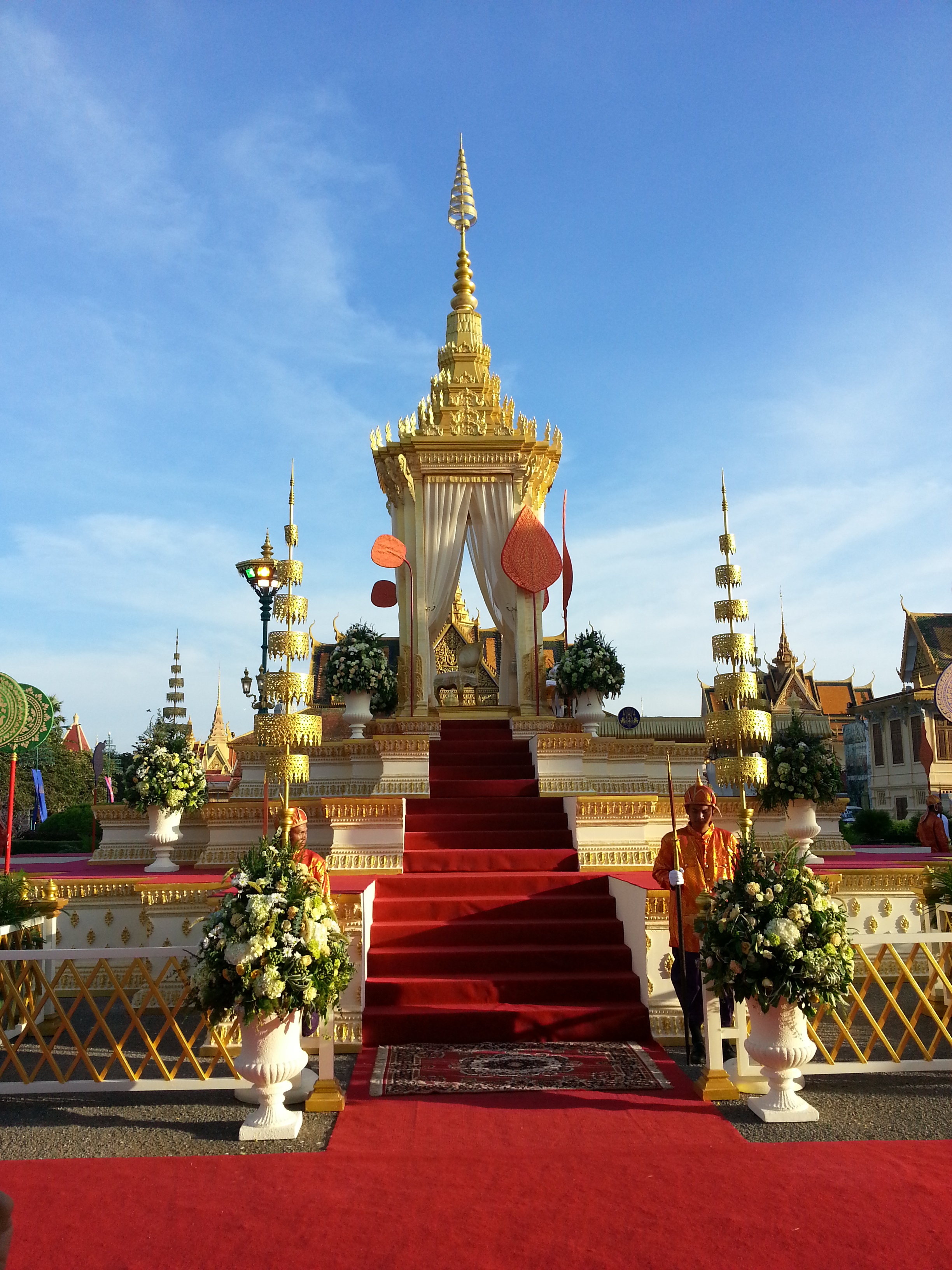
Puisque nous étions mercredi, les sampots à queue ou Kben se devaient être de couleur « sileap » ou vert d’algue (la veille, ils étaient de couleur violette, couleur du mardi). Les membres de la Famille Royale furent invités à prendre place à la droite du « Bossbok » (littéralement « nid Royal ») alors que le clergé bouddhique prenait place de l’autre côté. Sur le « sagrato » de l’escalier de la Salle du Trône se tenait l’autel bouddhique et brahmanique, respectant la tradition du syncrétisme khmer avec en vis-à-vis Leurs Saintetés des Ordres Thommayut et Mohanikay et les Bakous du Palais. Après avoir rendu grâce aux divinités protectrices du Royaume et du Trône, le Roi apparut enfin, majestueux et très souriant dans un habit immaculé, les pieds nus, une longue écharpe de soie plissé lui laissant libre une épaule. Il gravit ensuite les marches du Bossbok où au son des conques et du « Sathukar » il reçut des mains de Leurs Saintetés et de Sa Majesté la Reine-Mère l’hommage de l’eau lustrale, qui comme le veut la tradition, fut portée à Phnom Penh de la montagne sacrée de Phnom Kulen, non loin d’Angkor…
 Sisowath Ravivaddhana Monipong